by Emma Clarke
From Knoxville to Memphis, nurses all over Tennessee are heading online to advance their careers. They want better pay, more responsibility and a real shot at meeting the healthcare needs that keep growing in every corner of the state.
If you’ve spent any time in a hospital or clinic around here, you know the story, there just aren’t enough providers. Rural counties are stretched thin, and even in bigger cities like Nashville or Chattanooga, it’s tough to get in for a primary care appointment. That’s where nurse practitioners come in.
And lately, more of them are getting their degrees without ever setting foot in a traditional classroom. Online nurse practitioner programs are taking off across Tennessee, letting RNs keep their jobs, take care of their families and still move up in the healthcare world.
So, what’s actually involved in these programs? Why are so many nurses picking the online route? And when you finish, what kind of job can you expect?
What’s really in an online nurse practitioner program?
Don’t let the word “online” fool you into thinking it’s easy. You can’t just log in, watch a video or two and call it a day. These programs are tough. They’re built to push nurses into advanced roles, and the work shows it.
Most online nurse practitioner programs, especially the family nurse practitioner tracks, cover things like:
- Advanced pathophysiology.
- Advanced pharmacology.
- Advanced health assessment.
- Primary care for all ages.
- Evidence-based practice.
- Healthcare policy and leadership.
Nurses learn how to diagnose, prescribe and manage patient care on their own. The coursework is demanding, definitely not something you can coast through. And you can’t skip the hands-on part.
You still need clinical experience
Even with everything online, students still have to complete a boatload of clinical hours. That means hundreds of hours working under supervision in real clinics, doctors’ offices or specialty practices, depending on what you want to focus on.
For a lot of Tennessee nurses, doing these clinical hours close to home is a big deal. It lets them build local connections and it can lead to job offers down the road.
Spotlight on a Tennessee program that gets it
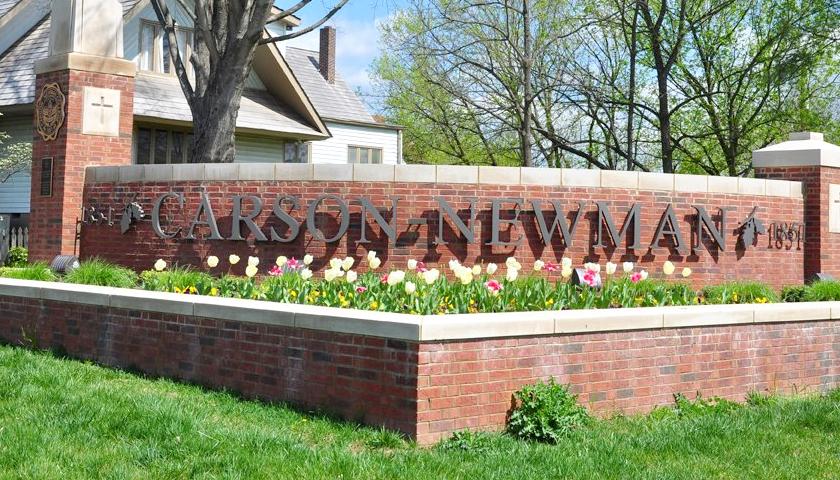
If you’re a nurse in Tennessee thinking about going back to school online, one name pops up again and again: Carson-Newman University. Their site, onlinenursing.cn.edu, lays out everything about their online nurse practitioner programs in Tennessee, aimed right at working RNs.
Carson-Newman offers a Master of Science in Nursing – Family Nurse Practitioner (MSN | FNP) and a Post-Master’s Family Nurse Practitioner Certificate (PMC | FNP). The entire curriculum is online, so nurses from all over East and Middle Tennessee and beyond can join.
The website gives you the details without any runaround: Info on clinical placement help, start dates, tuition and a real focus on keeping things affordable and supportive. That’s a huge relief when you’re pulling long shifts in Knoxville or working nights in Jackson.
Why going online makes sense in Tennessee
Most nurses thinking about becoming nurse practitioners aren’t just out of college. They’re working. Many have families. Some are taking care of their parents. Life’s busy, and it doesn’t slow down just because you want to go back to school. That’s why online programs matter.
Flexibility for real life
Nurses in Tennessee work tough hours. Twelve-hour shifts, nights and weekends, it’s all part of the job. Online classes let you work on lectures and assignments when it fits your schedule. Maybe that’s before sunrise, or after everyone else is asleep.
No more rushing across town for a night class after you’ve been on your feet all day.
Reaching rural Tennessee
A lot of Tennessee is rural, and getting to a campus isn’t always possible. Driving hours for class just isn’t going to work for everyone.
Online programs cut out that hurdle. A nurse in Dyersburg gets the same education as someone in Nashville. If you’ve got internet and determination, you can make it happen.
Keep working, keep earning
Here’s another big reason: You don’t have to quit your job.
Many nurses keep working while they study, sometimes full-time. That means steady paychecks, hands-on experience and sometimes help with tuition from your employer. For families watching every dollar, that flexibility really matters.
What’s the job market like?
So, is it worth it? Definitely. Tennessee needs more primary care providers. Rural counties especially depend on nurse practitioners to fill the gaps. Family nurse practitioners are trained to care for patients of all ages; kids, adults and older folks with chronic conditions.
The need keeps growing
Healthcare systems are expanding all over the state. Cities like Murfreesboro and Franklin are growing fast, and they need more providers. On top of that, a lot of doctors are getting close to retirement.
Nurse practitioners are stepping in, often running clinics and serving as main providers for families.
Pay and opportunity
Nurse practitioners in Tennessee usually earn a lot more than registered nurses. That extra income can make grad school feel worth it, especially over the long haul.
But it’s not just about the money. There’s also more independence. Nurse practitioners work with physicians, but they can diagnose, treat and write prescriptions. For many nurses, having that extra responsibility feels rewarding.
A career that hits home
There’s something else, too. Plenty of nurses go this route because they want a bigger say in patient care. They want to really get to know their patients, help them manage health issues and be a steady presence in their town.
In smaller Tennessee communities, you might be one of just a few primary care providers. That kind of connection matters a lot.
– – –
Emma Clarke is a skilled writer with experience across technology, travel, culture, and everyday lifestyle topics. She is adept at breaking down complex subjects into engaging, reader-friendly narratives.