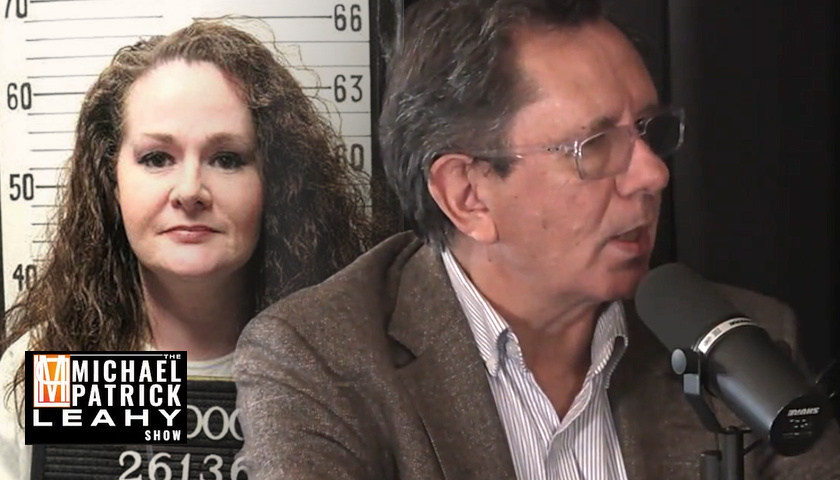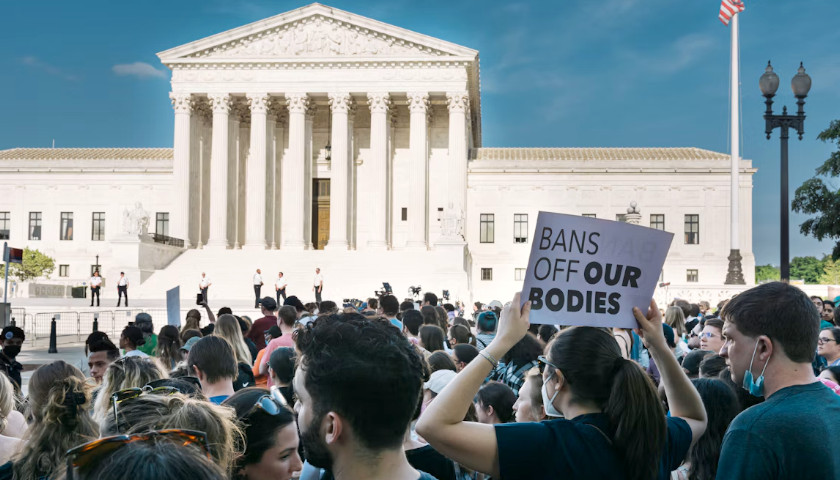
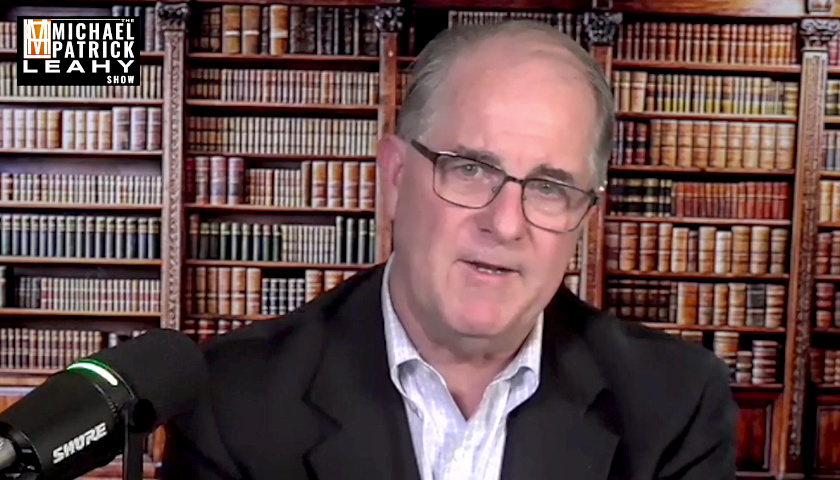
As the U.S. Supreme Court begins a new term and takes on major questions about government power and the limits of federal agencies, former Kansas Attorney General Phill Kline is warning that the American constitutional republic faces mounting threats from powerful institutions and unelected officials.
During an appearance Thursday on The Michael Patrick Leahy Show, Kline, a professor of law at Liberty University, discussed several cases before the Supreme Court as the justices began their new term, including a climate-related lawsuit brought by Boulder, Colorado, against energy interests.
Kline said he expects the Court to continue restricting deference to administrative agencies, arguing that unelected officials have increasingly exercised authority beyond what Congress intended.
“I think the court is going to continue its trends that I generally support, and it’s going to restrict deference to administrative agencies, which is important because you have all of these unelected officials who are making most of the body of law in the United States and are unaccountable and not very transparent to the public, and solely focused on one thing,” Kline said.
He added that agencies sometimes exceed their authority after Congress delegates responsibility for administering legislation.
“So Congress passes a law, turns over the administration of that law to an agency, and then the agency goes hog wild and creates something entirely different than Congress intended,” Kline said.
Kline also predicted the Court could restrict what he described as “policy by litigation,” in which government officials use lawsuits against industries to secure settlements that effectively establish public policy without legislative approval.
He pointed to Suncor Energy v. Boulder, a case involving Boulder’s claims that an energy company should pay billions of dollars in damages associated with climate change.
“I believe that the court is going to side with the fact that they don’t like this litigation by policy standard that’s erupted,” Kline said.
Kline argued that such lawsuits allow government officials to exert economic pressure on businesses while pursuing financial settlements rather than directly prohibiting the activities they criticize.
“It’s interesting that Boulder, Colorado is not seeking as a remedy the stop of climate change or the stop of the use of oil or gas. No, they want money. They’re seeking money,” he said.
Beyond the cases before the Court, Kline said disagreements over the purpose of law and the proper limits of government power are straining the judicial system nationwide.
“In other words, are the procedural protections important to protect, or is the result important to obtain? And is law manipulatable towards a desired societal end, or is it constrained by the language of the law and the manner in which it was passed?” Kline said. “That conflict is happening in courts across this nation, not just on the Supreme Court.”
Kline also expressed concern about what he characterized as growing pressure to prioritize desired social outcomes over constitutional safeguards, including the separation of powers, transparency, and accountability.
“The foundational principles that separate power to provide an intrinsic structural protection of individual liberty are not respected by the world and not respected by those who hold most of the world’s power and most of the world’s wealth, and so it’s under assault in America,” he said.
Kline further criticized major corporations and nonprofit, educational, and other large institutions for what he described as abandoning their traditional support for individual liberty.
He argued that some corporations pursue government regulations to protect themselves from competition, while other institutions remain silent about political developments to protect their financial interests or tax-exempt status.
“They keep quiet because they don’t want to jeopardize their 501(c) status. They don’t want to lose the particular government license that they have to be a tax deduction to some of their donors. So they don’t speak about the events that are occurring around them,” Kline said.
“All of them are the frogs in the boiling pot of water,” he added.
Tune in now to The Michael Patrick Leahy Show – your AMERICA FIRST news talk!
– Watch LIVE here on X
– Watch LIVE on YouTube / Rumble / Roku / AppleTV
– Listen on Spotify
– Listen on WENO AM760 in Nashville
– Read more at @TheTNStarhttps://t.co/wo2dru9hOl— Michael Patrick Leahy (@michaelpleahy) October 8, 2026
– – –
Kaitlin Housler is a reporter at The Tennessee Star and The Star News Network.