by Jack McGeever
American businesses warned that higher energy costs could drive additional price increases as existing contracts expire, according to a Federal Reserve report released Oct. 14.
Companies in several regions expected to raise prices as they renegotiated agreements covering supplies and deliveries, the Fed’s October Beige Book reported. The findings suggest households could face additional costs as businesses adjust contracts that have temporarily limited their exposure to rising expenses.
Businesses expected that “prices will increase further in the coming months,” the report stated, citing uncertainty surrounding energy costs and tariffs. Higher diesel prices were already moving through supply chains through fuel surcharges, while other companies faced pressure from insurance and commodity costs.
 Those increases were meeting resistance from customers. Consumer-facing businesses reported tighter profit margins and responded with selective price increases, promotions and menu changes designed to reduce expenses.
The pressure was apparent in the Kansas City Fed’s district, where businesses reported higher diesel and shipping costs alongside inventory delays. Most firms said they could pass those costs to consumers, although service businesses had less room to raise prices. Suppliers, distributors and customers were renegotiating terms to protect their margins.
Businesses in the Cleveland Fed’s district also reported rising costs tied to fuel and tariffs. Selling prices increased strongly as companies passed along expenses, while higher fuel prices continued to dampen consumer demand.
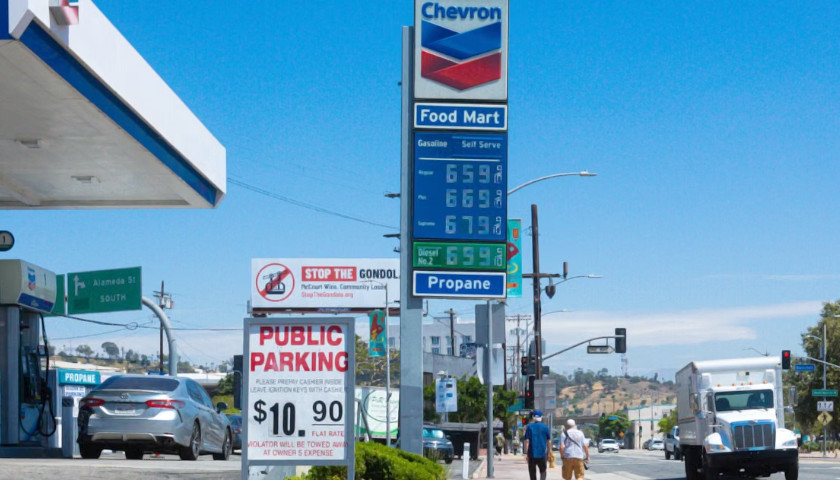
Consumers were already absorbing a sharp increase in energy expenses. Gasoline prices jumped 9.1% in September and accounted for more than half of the month’s overall increase in consumer prices, Bureau of Labor Statistics data showed. Annual inflation reached 3.7%, up from 3.4% in August.
Corporate filings illustrate how fuel costs can reach customers with a delay.
Performance Food Group, which distributes products to restaurants, convenience stores and other businesses, said in its fiscal 2026 annual report that its diesel surcharges generally follow fuel-price changes by one month. The company also uses financial contracts to manage some of its exposure to fuel prices.
Its fuel expenses increased $57.1 million in fiscal 2026, reflecting both higher prices and additional miles driven because of new business and acquisitions.
The distributor estimated that a hypothetical 10% increase in diesel prices would add approximately $43.9 million to annual operating expenses before partial offsets from customer surcharges and its fuel hedging arrangements.
– – –
Jack McGeever is a reporter at Daily Caller News Foundation.