by Jack McGeever
Shares of Moderna more than doubled Wednesday after the company and Merck announced positive results from a late-stage trial of an experimental cancer vaccine, though the companies have yet to release detailed data from those results.
The Phase 3 trial met its primary endpoint, according to the drugmakers, with the vaccine combination significantly improving the amount of time patients remained free of melanoma compared with Keytruda alone. But Moderna and Merck have not yet disclosed the specific effect size, survival times or full statistical results for the trial, leaving investors and outside researchers waiting for a clearer picture of how substantial the benefit actually was.
The trial tested Moderna’s mRNA-based vaccine alongside Merck’s Keytruda immunotherapy in 1,137 patients with higher-risk melanoma whose tumors had been surgically removed, as reported by CNBC. The combination also reduced the risk of melanoma spreading to distant parts of the body, according to the companies.
 Moderna shares jumped more than 130% in morning trading, while Merck rose more than 10%. The dramatic difference reflects the companies’ relative sizes, with Merck valued at roughly $333 billion before the surge compared with about $25 billion for Moderna.
The companies said the results built on earlier Phase 2 findings and could eventually lead to the personalized vaccine becoming a new treatment option for melanoma. However, the Phase 3 study is still being evaluated for overall survival, and the drugmakers plan to release additional results at an upcoming medical meeting.
Dr. Dean Y. Li, president of the Merck Research Laboratories, said, “By intervening earlier in the course of disease, when many cancers are considered most treatable, the goal of adjuvant therapy given after surgery is to increase the possibility of cure for more patients.”
“These first Phase 3 findings for intismeran in combination with KEYTRUDA as adjuvant therapy reinforce the promise of a more personalized approach to cancer treatment. We believe individualized neoantigen therapies have the potential to redefine how patients with completely resected stage IIB-IV melanoma are treated. Together with Moderna, we look forward to presenting data from INTerpath-001 at an international medical meeting and sharing with regulatory authorities,” Li added.
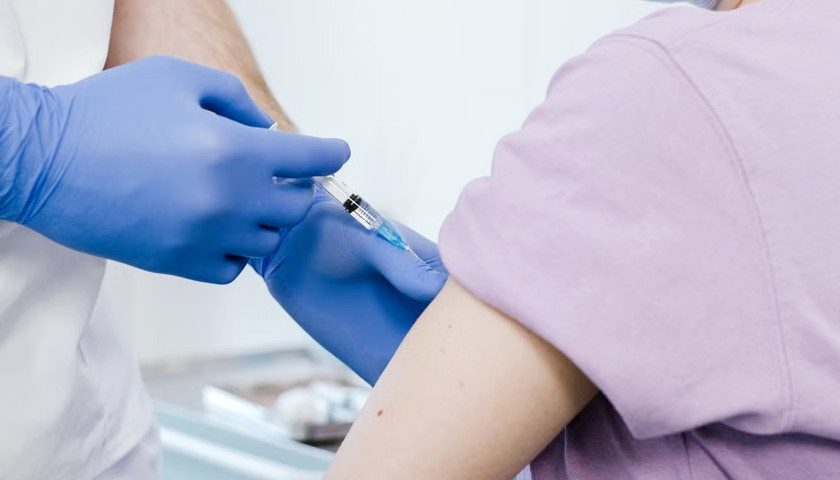
The vaccine was designed differently from conventional cancer treatments. Researchers identified mutations specific to an individual patient’s tumor and used Moderna’s mRNA technology to train the immune system to recognize those mutations. The vaccine was then administered alongside Keytruda, which helped the immune system attack cancer cells.
Earlier Phase 2 results showed a 49% reduction in the risk of recurrence or death and a 59% reduction in the risk of distant metastasis or death, but the Phase 3 results didn’t provide comparably detailed figures.
Moderna received criticism during the Covid-era for reportedly tracking online content that was critical of covid vaccines.
Merck and Moderna were also testing the personalized vaccine against other cancers, including lung, bladder and kidney cancer. Whether the approach can produce similarly strong results across those diseases remains an open question.
The companies didn’t announce when they would seek U.S. approval, though Merck executives said they expected to begin discussions with regulators about the treatment and its safety in the coming months.
– – –
Jack McGeever is a reporter at Daily Caller News Foundation. Zachery Schmidt is the digital editor of The Star News Network. Email tips to Zachery at [email protected].