
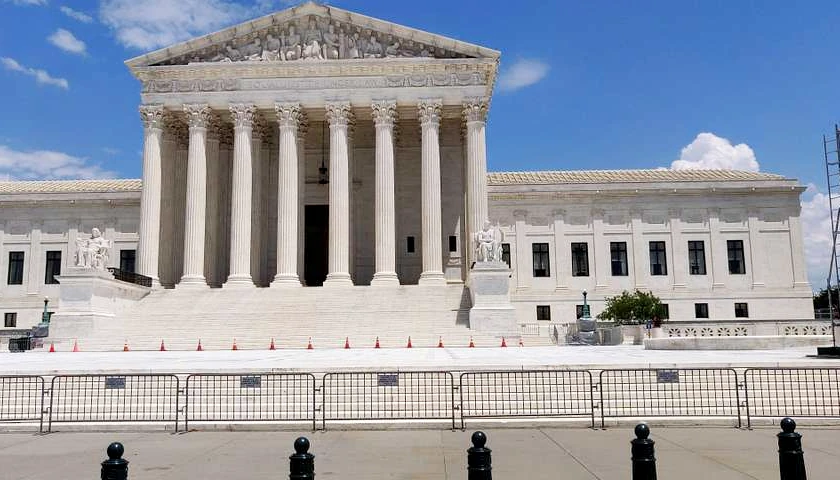
The U.S. Supreme Court on Friday struck down many of the sweeping set of tariffs imposed by President Donald Trump under a 1977 emergency powers law, ruling 6–3 that the president exceeded his constitutional authority by unilaterally levying broad import duties on nearly all major trading partners.
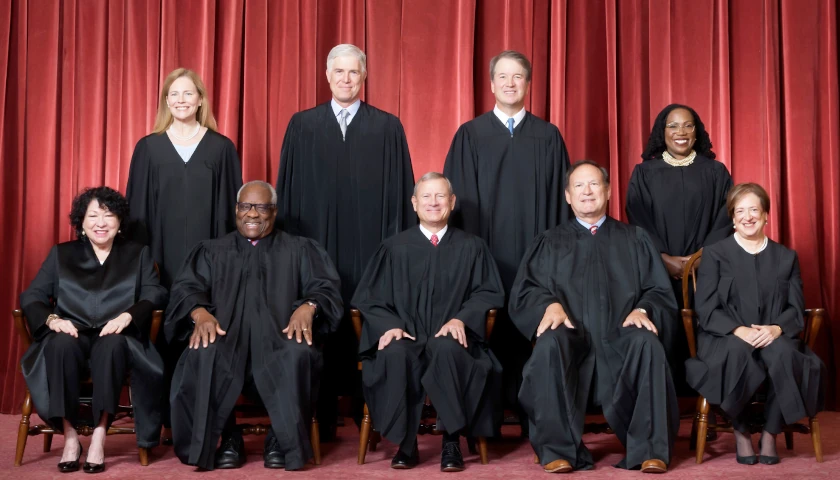
In a majority opinion authored by Chief Justice John Roberts, the Court held that the International Emergency Economic Powers Act (IEEPA) does not authorize the president to impose tariffs of “unlimited amount, duration, or scope” absent clear direction from Congress. Roberts was joined by Justices Sonia Sotomayor, Elena Kagan, Ketanji Brown Jackson, Neil Gorsuch, and Amy Coney Barrett. Justices Clarence Thomas, Samuel Alito, and Brett Kavanaugh dissented.
“The Constitution assigns to Congress the authority to lay and collect duties,” Roberts wrote, concluding that IEEPA’s general language allowing the president to “regulate” importation during a national emergency cannot be read to confer sweeping tariff power of vast economic significance. The majority also invoked the Court’s “major questions” doctrine, which requires clear congressional authorization when the executive branch claims power over issues of extraordinary economic and political magnitude.
“The president asserts the extraordinary power to unilaterally impose tariffs of unlimited amount, duration, and scope. In light of the breadth, history, and constitutional context of that asserted authority, he must identify clear congressional authorization to exercise it,” the chief justice wrote, adding, “He cannot.”
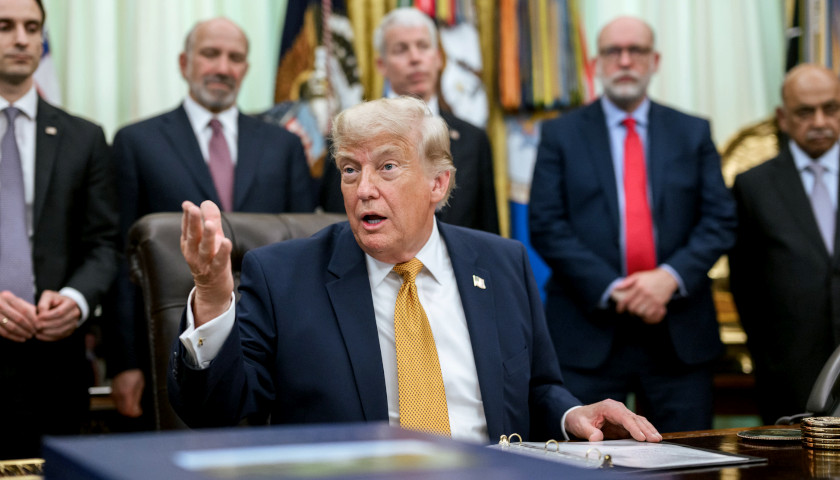
The ruling invalidates the bulk of what the administration described as its 2025 “Liberation Day” tariff framework, including a 10 percent baseline global tariff and higher reciprocal duties on certain countries. The White House had argued the measures were necessary to address chronic trade deficits and protect U.S. economic and national security interests.
The Court’s decision does not affect all tariffs imposed during Trump’s presidency. Duties enacted under other statutory authorities — including Section 232 of the Trade Expansion Act, which permits tariffs on national security grounds, and Section 301 of the Trade Act of 1974, addressing unfair trade practices — remain intact.
In dissent, Justice Thomas wrote that Congress granted the president broad authority under IEEPA to respond to extraordinary foreign threats, arguing the majority “unduly cabins the flexibility the political branches deemed necessary in times of emergency.” Alito and Kavanaugh joined the dissent.
“The tariffs at issue here may or may not be wise policy. But as a matter of text, history, and precedent, they are clearly lawful,” Kavanaugh wrote.
The administration warned during oral arguments that a ruling against it could trigger significant economic consequences, including the unwinding of trade arrangements negotiated under the tariff regime and potential refund claims from importers who paid duties under the invalidated framework.
Financial markets reacted quickly following the decision, with analysts anticipating volatility as federal agencies determine how to implement the ruling, including whether previously collected tariffs must be refunded and how quickly affected duties will be phased out.
– – –
Christina Botteri is the Executive Editor of The Tennessee Star and The Star News Network. Follow her on X at @christinakb.
Usually, when a controversial decision would be required. Chief Justice Roberts just declares the plaintiff has no standing, and dismisses the case. He couldn’t do it this time, because the plaintiffs were Democrats, and Chief Justice Roberts is afraid of Democrats.