by Nicole Silverio
Democratic New York Rep. Alexandria Ocasio-Cortez, Democratic Oregon Sen. Jeff Merkley and independent Vermont Sen. Bernie Sanders introduced legislation Friday to effectively end the federal use of automated license plate readers (ALPRs).
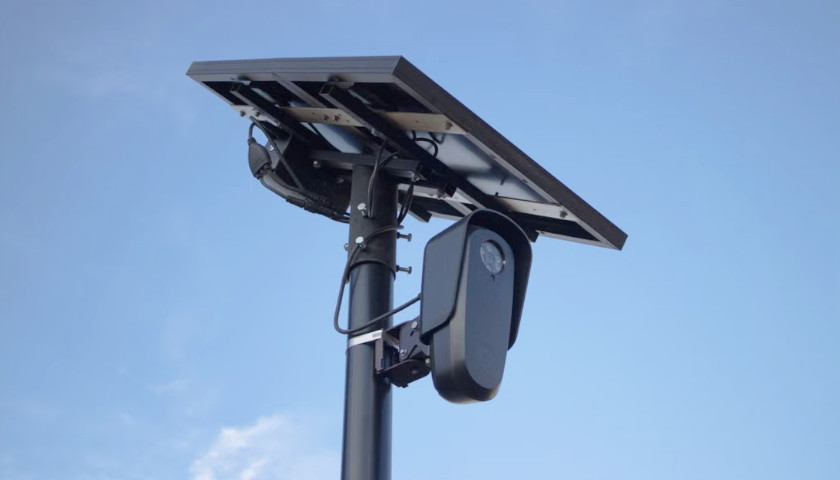
The Ban Flock Act would prohibit the federal government from purchasing, using or possessing an ALPR, accessing its data or using federal funds to purchase ALPRs, but it does not outright ban the cameras, according to the bill’s text. It would block certain federal grant funding for state and local governments that use ALPRs or contract with ALPR companies, such as Flock Safety, although it does not outright prohibit local agencies from purchasing the technologies with local tax dollars.
State and local governments using ALPRs would no longer receive federal assistance from the Department of Justice, Department of Transportation, Department of Health and Human Services, the Department of Housing and Urban Development and the Department of Homeland Security, according to the bill.
 The legislation would allow Americans to sue the federal government for violation of their rights through the use of ALPRs.
No lawmakers have introduced bills to ban the cameras altogether. Republican Florida Rep. Anna Paulina Luna said in July she planned to introduce a bill to ban the cameras, although she has yet to introduce the bill.
A federal official who used an ALPR would be subject to retraining, suspension, termination or another penalty deemed appropriate, according to the bill.
The legislation makes an exception for ALPRs that are only used to enforce payment of a toll.
“Across the country, Big Tech companies like Flock Safety have built a mass surveillance system to harvest Americans’ private and personal data without their consent. AI-powered cameras are keeping track of our every move and weaponizing this data against working people to make record profits. The widespread integration of this technology into American society is unconscionable,” Ocasio-Cortez said, according to her office’s press release. “I am proud to introduce the Ban Flock Act with Senator Sanders to enforce our constitutional right to privacy and protect Americans from both corporate and government surveillance.”
“At a time of growing concern about the unchecked power of artificial intelligence, Flock is eviscerating the very notion of privacy by installing tens of thousands of cameras in communities across America without their consent,” Sanders said. “Going to the doctor? Flock knows. Dropping your kid off at school? Flock is tracking you. Flock is always watching. We cannot allow America to become a surveillance state where a handful of AI oligarchs profit by giving the government the power to track our every movement.”
Other lawmakers introduced bills to place guardrails on ALPRs. Republican Tennessee Rep. Tim Burchett introduced the Protection Against Mass Surveillance Act in July to prohibit federal agencies from purchasing or using ALPRs, although the legislation would allow state and local municipalities to use these technologies if they are not for paid with federal funds.
Republican Rep. Thomas Massie of Kentucky introduced The Flock-Off Act to prohibit federal funds from being used to purchase, install or operate the technologies. The legislation would leave locally funded networks in place.
Massie’s and Burchett’s bills permit local governments to continue using ALPRs, while The Ban Flock Act would cause any local municipality that used the cameras to lose funding from several agencies.
In April, Massie introduced a separate bill with Republican Colorado Rep. Lauren Boebert called the Surveillance Accountability Act to require federal and local agencies to obtain a warrant before using ALPRs to track citizens. The bill would prohibit warrantless facial recognition scanning by federal and local law enforcement agencies in public areas and restrict the use of ALPRs, including Flock cameras.
The legislation would also allow private citizens to sue government employees for Fourth Amendment rights violations.
Republican Missouri Sen. Josh Hawley introduced the Stop Flock Abuse Act Wednesday to place guardrails on ALPRs, which would bar local governments from selling or sharing data with non-governmental third parties and protect drivers’ data from FOIA requests and third party vendors. The legislation would prohibit data from leaving the U.S., require agencies to preserve an audit log regarding searches and ensure they permanently delete driver data after ten days.
Hawley investigated Flock’s “collection, retention, and dissemination” from its artificial intelligence (AI) powered surveillance cameras. He cited the arrest of a police officer in Milwaukee who allegedly searched his girlfriend’s license plate 124 times and the arrest of a Florida resident who spent 13 days in jail for a crime she did not commit.
The Missouri senator invited five technology CEOs, including Flock Safety CEO Garrett Langley, to testify on Sept. 23 before the Senate Judiciary Subcommittee on Crime and Counterterrorism, although not a single one showed up.
According to a Data for Progress poll, a majority of Americans have an unfavorable view of Flock cameras. The September poll showed 52% of Americans view these cameras unfavorably, which is up from 40% in August.
Democrats have a more unfavorable view of Flock cameras than independents and Republicans.
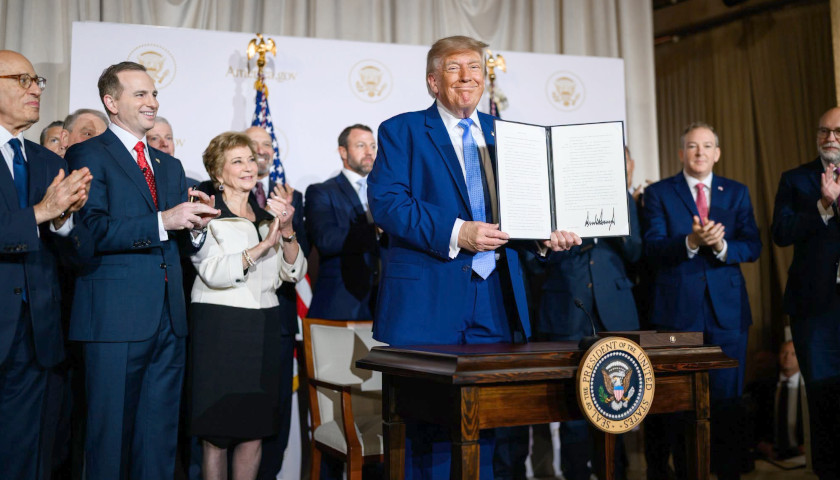
In September, President Donald Trump offered his support for Flock cameras. He told reporters, “I sort of like them because of that, because of law enforcement. But some people don’t. They think it’s an infringement.”
– – –
Nicole Silverio is a reporter at Daily Caller News Foundation. Zachery Schmidt is the digital editor of The Star News Network and contributed to this story.