
As someone who grew up in Communist Cuba, I’ve seen the effects of socialism firsthand. When I moved to the United States, I saw what a free-market economy was capable of achieving. That’s why I’m disturbed at the rise in support for socialist reforms across our healthcare space. In Tennessee, we’re blessed with leaders who believe in allowing competition and the free market to set consumer prices, not the government. But no state, no matter how deep-red, is immune to the cancer of socialism.
Rising healthcare costs – in large part due to insurance companies and hospital systems – are a legitimate concern for millions of Americans, including Tennesseans. Washington’s response for years has largely consisted of failed attempts at affordability. Those who support more government intervention in healthcare are too focused on drug prices as a fix-all solution. They don’t consider the total cost of receiving treatment. Insurance companies, government price-fixing, and abused federal government programs like 340B are the true causes of less access and higher costs.
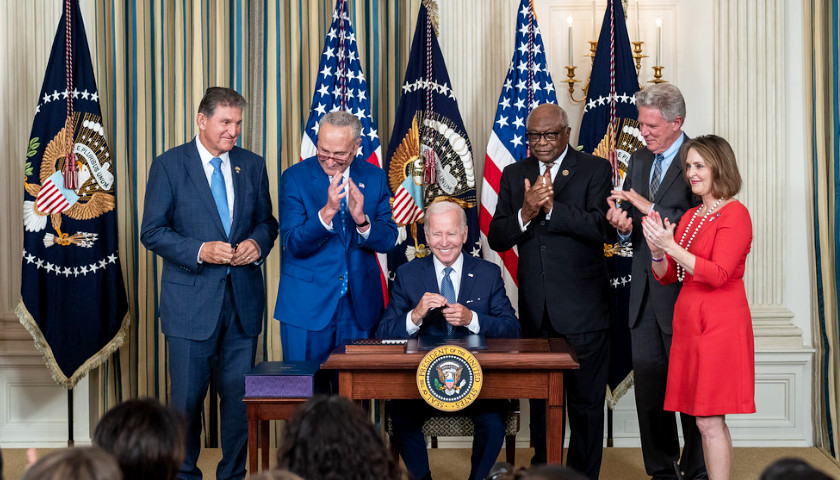
The Inflation Reduction Act (IRA) is just one example of government price-fixing. The law allows the federal government to fix prices for certain Medicare drugs while shifting the costs onto taxpayers and pharmaceutical manufacturers. There’s no such thing as a “free lunch” and artificially priced drugs don’t mean lower prices. Someone else pays for it. The IRA’s drug price fixes will limit the possibility of new, life-saving medications reaching the market. Creating new cures and bringing them to market requires years of research and substantial investment. This is simple economics: If the cost to research, develop, test, and bring a drug to market is higher than the fixed price, drug manufacturers will not willingly lose money. Fewer cures means fewer lives saved. Socialist healthcare policies like the IRA are not just bad economics, they’re deadly.
At the state level, Tennessee lawmakers also have to beware of Prescription Drug Affordability Boards (PDABs) popular in blue states and now being considered in some red ones. These government boards can review prescription drug costs and set price limits or caps in the market. In theory, this lowers the costs of medications and allows insurers to pay less for a drug. In reality, PDABs artificially lower drug costs by forcing pharmaceutical companies to charge less for their cure rather than allow them to compete in a free market where consumers set prices.
For many companies, those fixed prices may not be enough to generate a profit on new prescriptions. Instead of lowering prices for consumers at the pharmacy, drug companies may abandon the sale altogether or choose to curb research and development in the future – reducing the number of potential new cures. Lower drug prices don’t help anyone if the shelves are empty. These same policies also allow insurance companies to deny care to patients or steer them to lower cost drugs that might not be the best fit for the patient. At the end of the day, physicians and healthcare professionals are prescribing the drugs that they believe are in the best healthcare interest of their patients. We should trust doctors and not insurance companies or a government board to pick the drug that is best for a patient’s individual healthcare treatment.
Insurance companies are a major obstacle to affordability. Step therapy, or “fail first,” requires patients to try cheaper alternatives before insurance will pay for a physician-prescribed medication. If the cheaper option fails, patients are forced to endure additional doctor visits, worsening symptoms, and mounting medical bills before their provider will cover what their doctor initially prescribed. For Tennesseans with chronic illnesses, these delays are especially costly, and can even be deadly. As Americans, we are blessed to have access to the most advanced medicine in the world. Patients deserve to reap the benefits of that success rather than waste precious time and money so insurance companies can save a buck.
To see why more government interference in healthcare only makes our system worse, look no further than the 340B Drug Pricing Program. 340B was created for all the right reasons: It aimed to give poor and uninsured vulnerable communities access to discounted drugs. However, after three decades, the program is bloated and abused with little accountability and transparency to ensure the discount goes to the patient. There is incredibly weak oversight into how hospitals spend their savings through mandatory drug manufacturer discounts and higher insurance reimbursements. That’s because the program has no requirements for participating hospitals to report how they use their net revenues. If the government cannot hold hospitals that abuse the 340B program accountable, why should Tennesseans inject more programs into our state’s healthcare system?
And, just look at the chart from the Foundation for Economic Freedom – the greater the degree of government involvement in the provision of a good or service, the greater the price increases overtime. Instead of more government involvement – we should ensure strong intellectually property rights during a drug’s patent timeline so they can recoup their oftentimes billions of dollars in investment to bring a new drug to market and then allow competition to help bring the overall cost of drugs down over time as new drugs and additional drugs come to market.
I know firsthand what happens when the government takes control of a nation’s healthcare. Costs are too high, but giving the government more control over prices isn’t the solution. We do that by demanding accountability from insurers, greater transparency in existing federal programs, and reforms that put patients and their doctors first. Tennessee has an opportunity to stand firm against government overreach while addressing the real problems making healthcare unaffordable. By returning to the free-market system that made American medical innovation the best in the world, we can make healthcare more affordable, accessible, and effective for the next generation of Tennesseans.
– – –
Raul Lopez is the co-founder and chairman of Latinos for Tennessee.