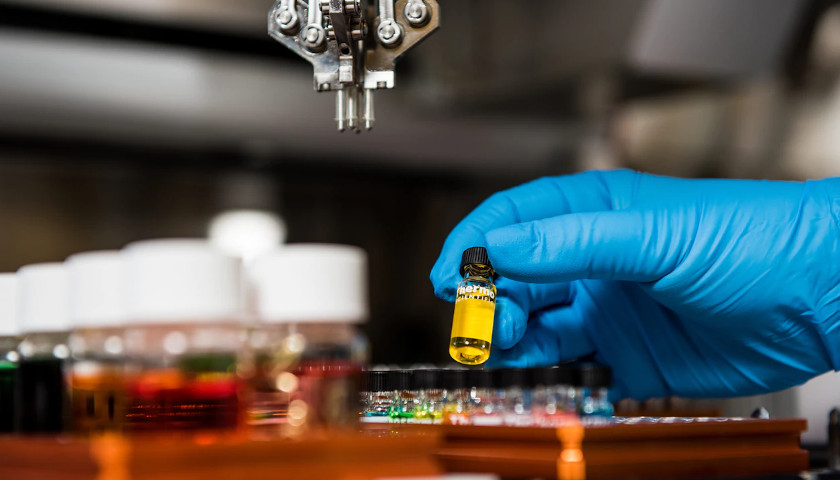
In 2021, Governor Bill Lee and state officials celebrated Microvast’s announcement of a $220 million battery manufacturing facility in Clarksville, promising nearly 300 jobs and positioning the state as a leader in the electric vehicle and energy storage supply chain. The project, which received significant economic development incentives and was sold as a win for American manufacturing and clean energy jobs, has become a troubling example of how Chinese-linked companies continue to benefit from U.S. taxpayer incentives despite serious national security and human rights concerns.
Microvast Holdings, Inc. has long derived most of its revenue and assets from operations in China, previously raising $400 million in funding from state-run CITIC Securities and Chinese private equity firm CDH Investments, which holds roughly 11% through affiliated entities, with board representation. While Microvast maintains a U.S. headquarters and public listing, its supply chains and core production remain heavily dependent on China, with almost all its manufacturing capacity, a 75,000 square foot R&D center and four subsidiaries in China. These connections raise legitimate questions under evolving U.S. policy aimed at strengthening national security by reducing reliance on adversarial supply chains.
Read the full story