by Dr. Claire Reeves
Tennessee just took Big Tech to task.
Attorney General Jonathan Skrmetti negotiated a historic $17 billion settlement with Meta, delivering real money, real platform changes and real accountability. As a school board member in Williamson County, I’ve spent the past year immersed in the research and the reality of what these platforms are doing to our kids: the anxiety, the sleep deprivation, the self-worth tied to a Like count. Each one of the settlement’s painstaking concessions – platform curfews, screen time limits, non-personalized feeds, and disabled Like counts – are the kind of baseline protections I’ve been waiting years to see implemented.
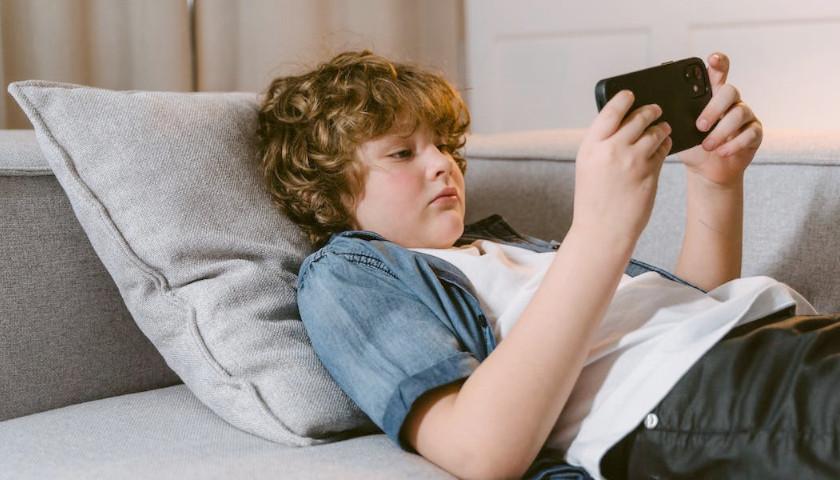
The settlement will fundamentally reshape young Tennesseans’ experience on Meta’s platforms for the better. A thirteen year-old opening an Instagram account will now be reminded to take regular breaks, receive no notifications during the school day, spend no more than 2 hours per day on the platform and not have access to beauty or cosmetic filters that can damage their self-esteem. Their parents will be empowered to disable auto-play and personalized feeds, helping kids build healthier screen habits and avoid compulsive use.
The terms of the agreement are robust, well-researched, and worthy of the young Tennesseans they were built to protect. But they still leave huge gaps, not because of design choices rejected during negotiations but because of parties who have not yet chosen to step up and deliver similar tools to put child safety over profits.
We’ve seen this play out before. When Australia banned social media for kids under 16, newer and sketchier platforms filled the void. Gaming apps like Roblox were left out of the ban entirely, despite exposing minors to graphic violence, profanity, grooming risks and hateful content. It’s worth noting that here in the U.S., Tennessee Attorney General Jonathan Skrmetti is also suing Roblox. Meanwhile, smaller, unmoderated platforms that lack the safety infrastructure of major tech companies like Covestar, Lemon8, Yope or anonymous image boards, have skyrocketed to the top of Australia’s download charts.
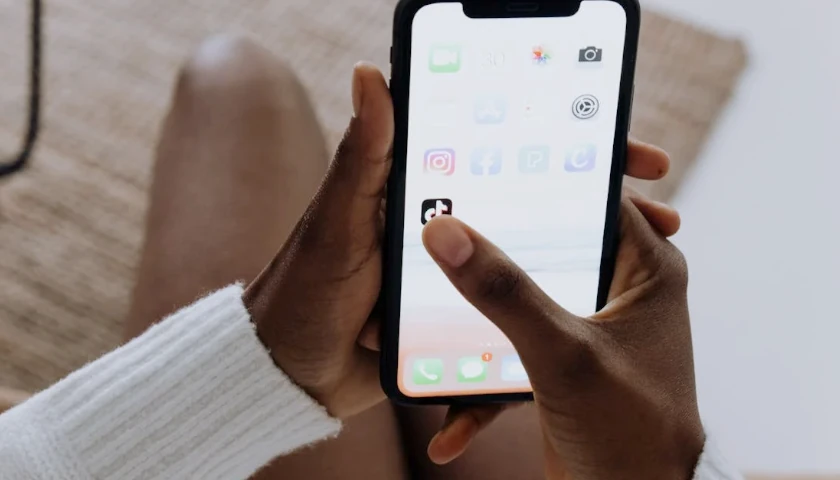
That same dynamic is threatening to play out right here. Meta is a social media giant, but Instagram and Facebook are not the apps kids are spending the majority of their time on anymore. YouTube reaches 92% of American teenagers. TikTok and YouTube together account for more screen time than Instagram and Facebook combined. Their safety records? A string of partial fixes and voluntary half-measures.
YouTube tells parents it enforces screen time limits, then pushes a one-tap tutorial for teenagers to disable them. TikTok says it restricts self-harm content, then shows it anyway through adjusted search terms. Snapchat, a platform currently being sued by a Tennessee family whose teen died by suicide, still allows adults to send unsolicited message requests to children they’ve never met and recommends adult strangers as suggested friends for kids.
These superficial PR stunts offer a false sense of security while falling dangerously short of the rigorous, binding protections Meta has finally conceded thanks to the leadership of Attorney General Skrmetti. By failing to match baseline safety standards, other major platforms are effectively operating as the loophole these 48 attorneys general have fought to eliminate.
General Skrmetti and 47 other chief legal officers deserve real credit for fighting to deliver the protections kids deserve. Thanks to their careful negotiations, Meta is paying up and changing how its products work for young people. That is a genuine victory worth celebrating. But every other platform that profits from our children’s attention owes them the same protections. Meta was the first domino, but not the last. YouTube, TikTok, and Snapchat should not need 48 attorneys general and a courtroom to do the right thing by kids.
Here is another hard truth: we don’t have to wait for the next settlement or the next bill to pass. We can act now. It’s why I advocated for an away-for-the-day wireless device policy in our schools last year and why I was glad to see our board build on that momentum this August with a policy banning social media access during the entire instructional day, including school-sponsored activities outside school hours. I’m asking parents across Williamson County and beyond to join me at home too: no social media apps until at least sixteen. Lawsuits and legislation will keep chipping away at these platforms’ worst defaults, but no regulation will ever move faster or protect our kids more reliably than a parent who simply says “not yet”.
At the federal level, Congress should work to pass both Senator Marsha Blackburn’s Kids Online Safety Act (KOSA) and the App Store Accountability Act.
– – –
Dr. Claire Reeves is Vice Chair of the Williamson County School Board and represents District 9.