
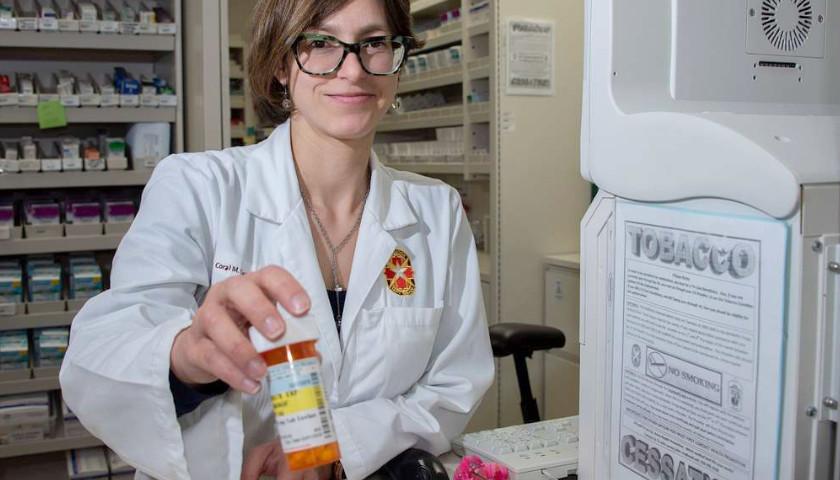
When tragedy strikes or major policy changes are enacted, the first question I ask is simple: who bears the risk? In Tennessee, a proposed bill (SB2040/HB1959) that would force numerous pharmacies to close. Pharmacies are not interchangeable storefronts. They are a necessary part of the health infrastructure. If we shutter a significant share of that infrastructure without a thoughtful transition plan, patients – not policymakers – will absorb the shock.
As a former public-safety leader and police chief who has managed large-scale crises, I’ve seen how critical pharmacies are to the health and resilience of communities. During the opioid epidemic, when our city’s Level I trauma center was overwhelmed with overdose patients, it was local round-the-clock pharmacies that stepped up. They became reliable sources of Narcan for individuals struggling with substance use disorder and for nonprofit harm-reduction agencies working to prevent deaths. That access saved lives and reduced pressure on emergency departments.
Pharmacies are also one of the primary access points for naloxone, the medication that reverses opioid overdoses. Wider access to Narcan saves lives before first responders arrive and reduces strain on emergency services. Policies that reduce pharmacy access risk reversing that progress.
That progress is now being reinforced at the national level, with increased attention on initiatives focused on combating fraud and improving healthcare outcomes. As part of these broader efforts, President Trump is expected to be in Memphis on Monday.
These developments reflect a simple reality: public safety and public health are closely connected. Police, EMTs, and healthcare providers all rely on accessible community-based resources, including pharmacies, to respond effectively. In Tennessee, programs such as TrumpRx have helped reduce strain on emergency systems and improve patient outcomes. Policies that would limit pharmacy access risk undermining that progress and placing additional burdens on first responders and the communities they serve.
I also witnessed what happens when pharmacies disappear. During the civil unrest in Minneapolis in 2020, several pharmacies closed after suffering significant damage. Residents suddenly lost access to medications and struggled to refill prescriptions. For seniors on fixed incomes and families managing chronic conditions, the closure of a nearby pharmacy was not an inconvenience; it was a public-health emergency.
Tennessee’s proposal raises a fundamental operational question: if these pharmacies close, who takes on their patients? In the only comparable mass-closure event – the Rite Aid bankruptcy – CVS absorbed more than 600 stores’ prescriptions. But if large chains are forced to close in Tennessee, there is no automatic or ready replacement. Independent pharmacies are not structured to absorb that volume while maintaining access and services for their communities.
In Tennessee, the reimbursement structure also creates uncertainty. Taking on tens of thousands of additional prescriptions could require significantly more staffing, inventory, and operational capacity without any guarantee that reimbursement would cover those costs.
And if not independents, then who? History shows that when essential health services become destabilized, new operators often step in under financial pressure, with reduced staffing, limited hours, or higher costs. We should not treat life-sustaining medications as the subject of a short-term financial experiment.
Disrupting that access without a clear replacement plan also risks compounding vulnerability. I have managed large-scale crises, and I can tell you this: unintended consequences often move faster than legislation. Once access gaps open, closing them is far harder than preventing them.
None of this is to suggest that policymakers cannot or should not evaluate the pharmacy landscape. Oversight, transparency, and accountability matter in every sector. But responsible governance requires a transition plan commensurate with the scale of disruption. If a proposal would eliminate a significant share of prescription capacity in the state, then it must answer basic questions: How will patient records be transferred? Who guarantees continuity of care? How will vulnerable populations be identified and supported? What contingency plans are in place for supply-chain interruptions? And who bears liability if patients suffer harm during the transition?
Without clear answers to those questions, eliminating pharmacies is not reform. It is risk displacement – shifting risk away from institutions and onto patients and families.
Tennesseans deserve evidence-based policy grounded in public safety and public health. They deserve leaders who anticipate downstream impacts before they manifest in emergency rooms, 911 calls, and preventable tragedies. Pharmacies are more than retailers; they are often the most accessible point of care for families, seniors, first responders, and community-based organizations.
Before SB2040/HB1959 moves another inch forward through the legislature, lawmakers should show Tennesseans exactly how uninterrupted access to prescriptions will be protected for everyone that depends on them. Public safety is measured not by how decisively we act, but by how carefully we protect. Tennessee must ensure any policy change strengthens the health infrastructure its communities rely on rather than weakening it.
– – –
Medaria “Rondo” Arradondo is the CEO and President of Crisis Leadership Solutions and is a retired Minneapolis Police Chief.



Nobody is closing pharmacies. If they do close it is due to CVS not being able to play all sides against the middle. This is CVS CHOICE, not the state.
This guy is wrong. CVS has run 1000’s of independent and other chain Pharmacies out of business by nit paying them the same as they pay their own pharmacies. If CVS closes all their stores there are plenty of other pharmacies to fill people’s prescriptions. CVS is not even in small communities.