by Dylan Kresak
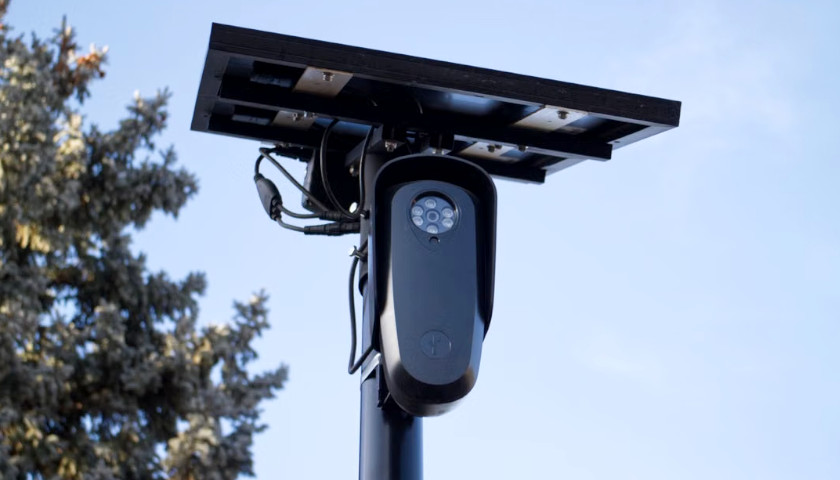
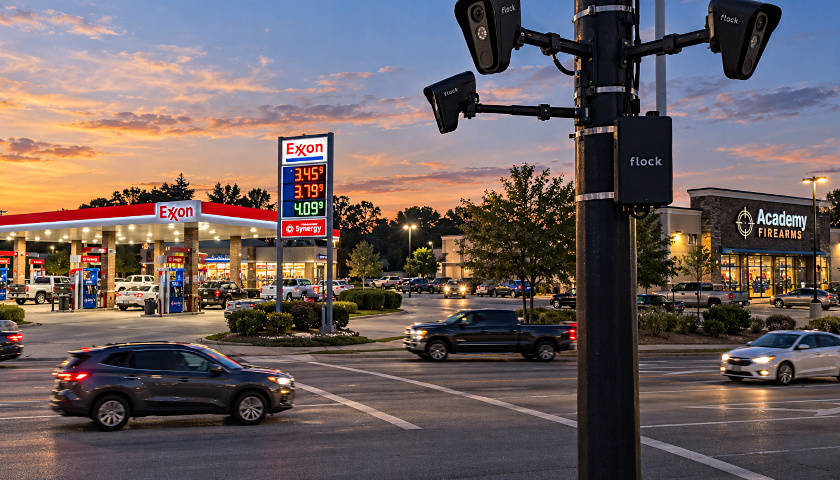
The fine print behind 20 surveillance cameras in northern West Virginia points to a reach far beyond county lines.
Monongalia County’s contract with Flock Safety lays out the company’s nationwide camera network and vehicle search tools, WV News reported Wednesday. The county’s Flock deal opens the company’s camera networks to deputies, putting billions of plate scans within reach each month, the contract says,
The county’s own camera data is open to searches by 980 other law enforcement organizations, an audit by the Sheriff’s Office found, according to WV News. Agencies outside the state and outside a 50-mile radius, however, cannot find its network.
The audit also found that drug and narcotics cases made up 188 searches with the cameras between January 1 and June 25, more than any other category, WV News reported.
 A feature Flock calls “Vehicle Fingerprint” lets officers track down a car by make, color and other physical features rather than its plate number, the outlet reported. The deal also binds the county to Flock’s online terms, which give the company broad rights to camera data.
“Customer hereby grants to Flock a limited, non-exclusive, royalty-free, irrevocable, perpetual, worldwide license to (a) use and disclose Customer Data to provide the Flock Services; and (b) use Customer Data to support and improve Flock’s products and services,” Flock states in its August 2026 terms and conditions. The terms explain that the county keeps ownership of its data.
Sheriff Todd Forbes signed the deal with Flock in November 2025, committing the county to $177,600 over three years for 20 cameras, according to WV News.
The Monongalia County price works out to $59,200 a year, or about $2,960 per camera, for hardware the county does not own.
Public contracts elsewhere land in the same range. Akron’s public safety chief told the Akron Beacon Journal the city leases each camera for $2,500, or $362,500 a year, under a five-year deal worth more than $1.8 million for a 145-camera network, and that the hardware belongs to Flock.
Shaker Heights, Ohio, approved 11 added cameras at $3,000 each per year after the first year, and Clear Lake, Iowa, approved 11 cameras for $34,000.
Costa Mesa, California, has cited an all-inclusive lease of about $3,000 per fixed plate-reader camera per year. A roundup of city contracts puts standard Falcon readers at roughly $2,500 to $3,000 a year, plus installation, after a January 2024 increase of about $500 per camera on new deals.
“Flock does not share specifics regarding individual agency contracts, camera counts, locations or deployments,” a Flock spokesperson told the Daily Caller News Foundation. “The customer agency is the best source for this information.”
The spokesperson also referred the DCNF to a June 2025 blog post on Flock’s website explaining the mechanics of sharing camera data.
“Flock Safety’s License Plate Reader (LPR) platform is made up of individual cameras that submit data about cars to a user interface, with that data owned by each individual customer. Each LPR in the customer’s network captures vehicular evidence to solve crime,” the post states in part.
The Monongalia County Sheriff’s Office and the Monongalia County Commission each did not immediately respond to the DCNF’s requests for comment.
The county’s cameras make up a small slice of Flock’s network of more than 300,000 devices mapped in September by cybersecurity researcher Joshua Michael.
Officials in both parties have moved against the surveillance cameras.
Three lawmakers introduced a bill Friday that would end the federal government’s use of license plate readers. The Ban Flock Act came from Democratic Rep. Alexandria Ocasio-Cortez of New York, Democratic Sen. Jeff Merkley of Oregon and Independent Sen. Bernie Sanders of Vermont.
“We cannot allow America to become a surveillance state where AI oligarchs profit by giving the government the power to track our every movement,” Sanders said in a Friday X post.
A separate bill from Republican Rep. Greg Steube of Florida, introduced September 24, would stop federal agencies from searching Flock cameras without a warrant.
“When you give the government the ability to track people, someone WILL abuse it,” Steube said in an August 20 X post about misuse of the cameras by a Sarasota police officer. “Our Fourth Amendment rights don’t disappear because technology advances. BLOCK THE FLOCK!”
– – –
Dylan Kresak is a reporter at Daily Caller News Foundation. Executive Editor of The Tennessee Star and The Star News Network Christina Botteri contributed to this report.