by Paris Apodaca
The Trump administration is pouring nearly $1 billion into America’s strained electrical grid as surging demand from artificial intelligence data centers threatens to outpace available power supplies and raise blackout risks.
The Department of Energy (DOE) announced Tuesday approximately $967 million in additional funding to modernize electrical infrastructure, prevent power disruptions and strengthen grid reliability across states, territories and tribal communities. The investment is being unveiled as utilities struggle to keep pace with soaring electricity demand and aging infrastructure.
“Lowering costs and unleashing prosperity are top priorities for President Trump,” Energy Secretary Chris Wright said in the announcement. “These commonsense investments provide resources directly to states, territories, and tribes to lower electricity costs and strengthen grid reliability for American businesses and families.”
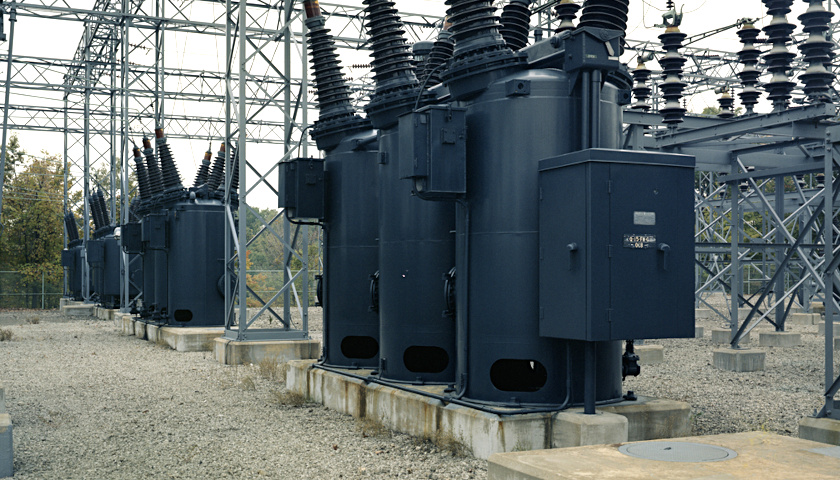
The latest DOE funding will flow through the Grid Resilience State and Tribal Formula Grants program, which distributes federal resources to states, territories and federally recognized tribes to protect electrical infrastructure against severe storms, wildfires and other disruptive events.
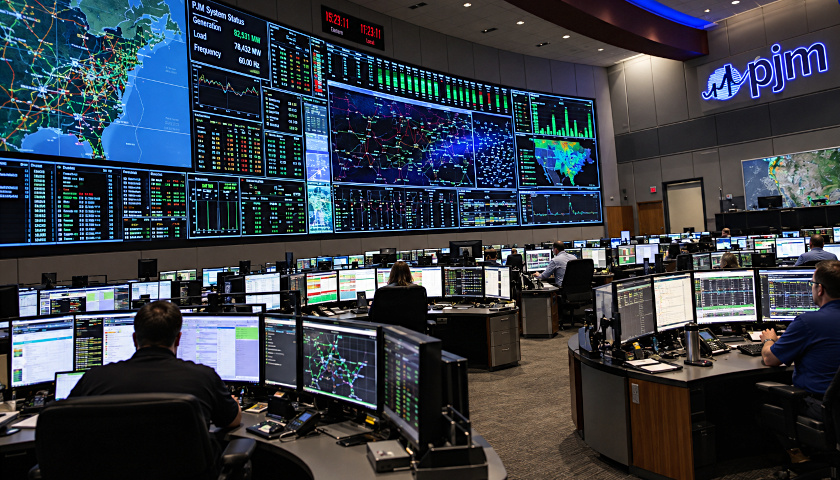
 Pennsylvania regulators warned in September that rapidly expanding data centers could push parts of the PJM Interconnection system toward severe electricity shortages by 2030. Under a high-demand scenario with limited new generation, the analysis projected more than 13 days annually when electricity supplies could fall short of demand.
PJM, which serves approximately 67 million Americans across 13 states and Washington, D.C., projected roughly 32 gigawatts of additional peak demand by 2030, with data centers accounting for approximately 94% of that growth. The grid operator has warned that electricity demand is growing faster than new power plants can come online.
Federal regulators rejected portions of PJM’s proposal earlier this month that would have allowed the grid operator to require certain large electricity customers to reduce consumption during emergencies. The Federal Energy Regulatory Commission (FERC) instead approved a registry to track major electricity users as demand threatens to outpace available generation.
“PJM proposed IRAS [Interim Resource Adequacy Service] to address the growing electricity reliability challenge where electricity demand is increasing faster than new generation is coming online,” PJM spokesperson Jeff Shields previously told the DCNF.
The latest funding round also permits investments in diesel, propane and natural gas-powered emergency backup generators, according to DOE’s program guidance. Battery storage systems are also eligible, giving communities additional options to maintain electricity supplies during outages.
The money represents funding for fiscal years 2025 and 2026, the final two years of the five-year federal program established under the 2021 bipartisan infrastructure law. States and other eligible recipients have until February 17, 2027, to apply for their allocations.
“A strong and dependable grid is the backbone of American economic prosperity,” DOE Office of Electricity Assistant Secretary Katie Jereza said in the press release. “This funding will help Americans across the country, including our tribal partners, optimize their electricity systems and prepare for future growth while strengthening energy security and deploying technologies that can lower the long-term cost of delivering reliable power.”
Electricity affordability has also emerged as a growing concern as data centers expand into suburban and rural communities. Maryland residents have faced rising utility costs, while energy-intensive data centers have added to regional electricity demand and raised concerns about how infrastructure expenses are distributed among ratepayers.
While the administration says the funding will help lower electricity costs, DOE’s announcement does not specify how much consumers could save or when those savings would materialize. Grid resilience investments can reduce the consequences of power outages, but they do not necessarily resolve the separate challenge of building enough generation to satisfy rapidly growing electricity demand.
The warnings fit a longer pattern of grid strain. Over the past decade, seasonal storms have driven most customer outages, with events such as the 2021 Winter Storm Uri in Texas exposing vulnerabilities in generation and fuel supply, according to reviews by the Federal Energy Regulatory Commission and the North American Electric Reliability Corporation.
Aging transmission and distribution infrastructure has compounded the problem. A 2025 Bank of America analysis estimated that roughly 31% of transmission lines and 46% of distribution systems were already beyond their useful life. Reliability assessments from NERC have repeatedly flagged rising risks as older coal and gas plants retire faster than firm replacement capacity comes online, even as overall electricity demand accelerates.
Those capacity shortfalls are drawing new attention to nuclear options.
In September, the Nuclear Regulatory Commission issued a construction permit to the Tennessee Valley Authority for a 300-megawatt GE Vernova Hitachi BWRX-300 small modular reactor at its Clinch River site near Oak Ridge, Tennessee — the first such permit for a commercial SMR of that design in the United States. The project, which has also received up to $400 million in cost-shared funding from the Department of Energy, is intended to demonstrate a more compact, factory-built nuclear design that could help supply steady baseload power as data-center demand grows. TVA has not yet made a final commitment to begin construction, and the reactor would still require a separate operating license before it could generate electricity.
– – –
Paris Apodaca is a reporter at Daily Caller News Foundation. Executive Editor of The Tennessee Star and The Star News Network Christina Botteri contributed to this report.