Geoff Shepard, a former Nixon White House attorney and longtime Watergate researcher, detailed what he says were significant due process violations surrounding the Watergate prosecutions during an exclusive interview this week with The Tennessee Star’s CEO and Editor-in-Chief Michael Patrick Leahy.
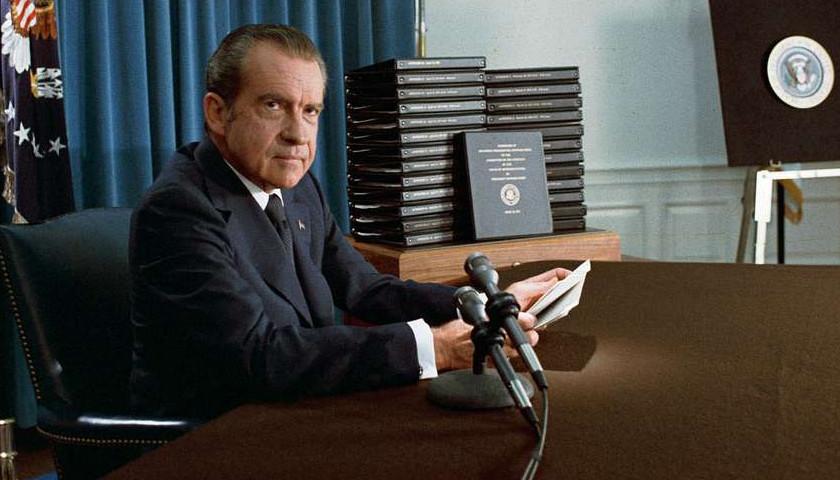
Shepard’s interview comes with the release of Leahy’s new eBook and documentary, How the Deep State Took Down Richard Nixon, which examines what Leahy and Shepard describe as a “dirty dozen” of due process violations involving former President Richard Nixon and the Watergate defendants.
Leahy’s project, based on Shepard’s decades of research into Watergate, is available as an eBook and documentary bundle. The $9.95 digital bundle includes a 90-minute documentary with instant streaming access as well as a comprehensive eBook available in EPUB, PDF, and AZW3 formats. It also includes a “who’s-who” analysis and timeline of the Watergate events.
The documentary and book are based on what Leahy describes as Shepard’s “groundbreaking research” into the Watergate prosecutions and the constitutional and procedural issues surrounding them.
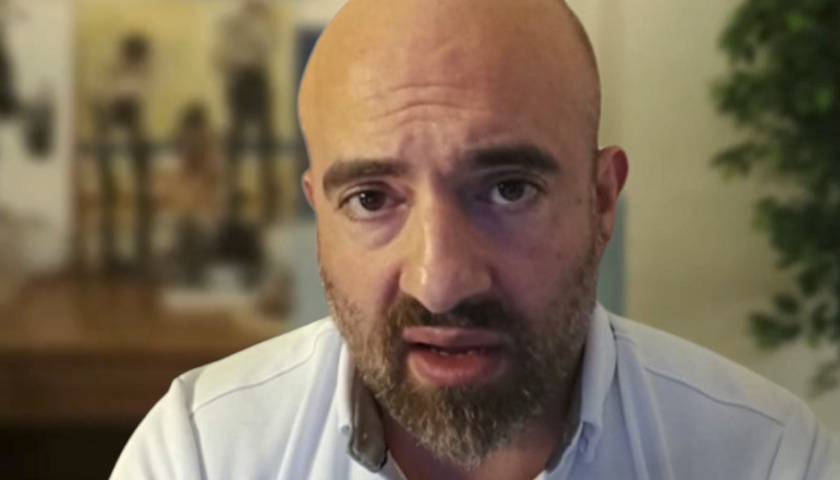
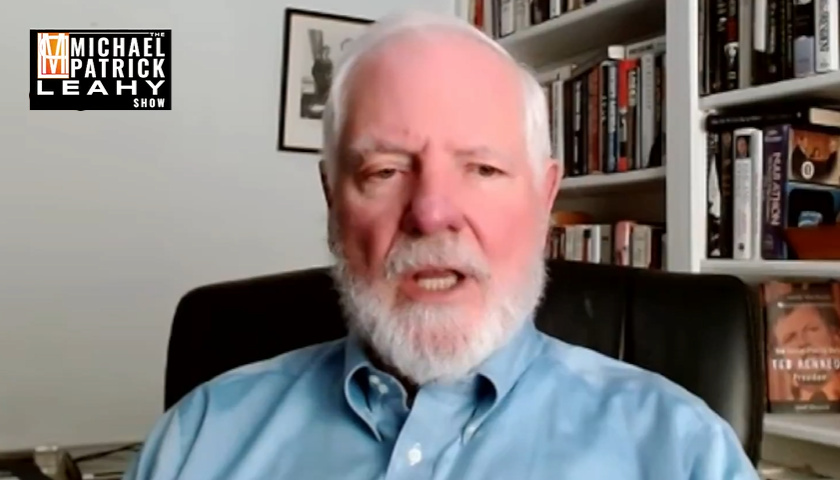
During an appearance this week on The Michael Patrick Leahy Show, Shepard (pictured here), who worked in the Nixon White House and later served on Nixon’s defense team, discussed evidence he says shows prosecutors and federal judges engaged in improper private meetings during the Watergate proceedings.
“One of the absolute no-nos in the law is the judge can’t meet with one side,” Shepard said. “Both have to be present.”
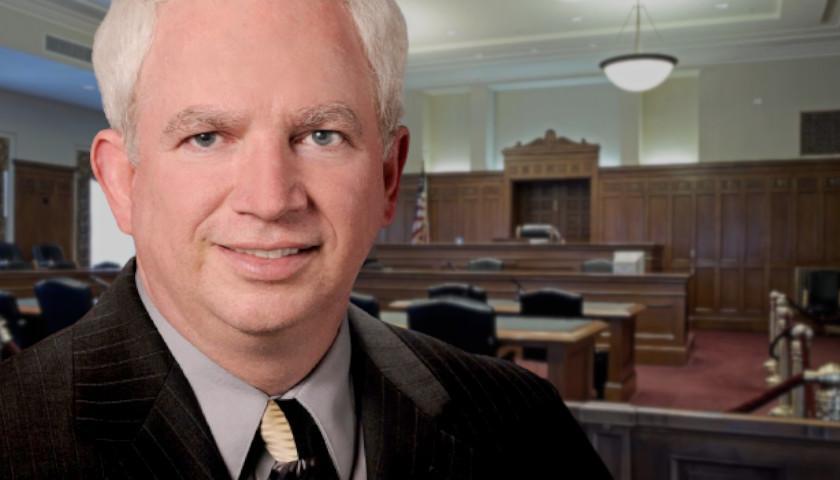
Shepard specifically pointed to former U.S. District Judge John Sirica, who presided over the Watergate burglary and cover-up trials. Shepard said he has uncovered written evidence documenting at least 10 ex parte meetings involving Sirica.
“It’s written uncontroverted proof of a secret meeting, the four top Watergate prosecutors and the two judges who are gonna preside over the Watergate trials,” Shepard said. “You can talk till you’re blue in the face, and you can’t explain how that could possibly be right.”
One of the documents Shepard uncovered involved former Watergate special prosecutor Leon Jaworski. Shepard said Jaworski recorded a secret meeting with Sirica in which the two met alone in the judge’s jury room.
“Totally improper. Totally improper,” Shepard said.
Shepard said the significance of the documents is amplified by the fact that they were not publicly available for decades. Jaworski took his file copy of one key letter when he left office in 1974, and his papers were eventually transferred to Baylor University.
In 2013, Shepard said, he became the first researcher to examine the papers after they became available in connection with a Freedom of Information Act request.
“They’re available to researchers,” Shepard said. “I’ve reproduced them in my second book, but it’s startling how clear they are, open and shut, irrefutable secret meetings between prosecutors and the judge.”
Shepard also discussed what he described as another unusual episode involving Archibald Cox and David Bazelon, then chief judge of the D.C. Circuit Court of Appeals. Shepard said Cox sought to ensure that Watergate appeals would be heard by the full appellate court rather than randomly selected three-judge panels.
“That’s what Cox is telling him—how to stack the deck on appeals,” Shepard said.
According to Shepard, all 12 appeals from Sirica’s criminal Watergate trials were subsequently heard en banc, or by the full nine-judge appellate court.
Shepard also examined the handling of secret grand jury information. He said prosecutors sought to send evidence gathered by the Watergate grand jury to Congress for use in impeachment proceedings despite grand jury secrecy requirements.
“They came up with this bizarre approach to call it not a report, grand jury report, but a presentment,” Shepard said.
Shepard said the material remained sealed until 2018, when a court unsealed what he described as the “roadmap” following his petition.
Leahy’s book and documentary focus on these and other episodes that he and Shepard argue demonstrate the significance of the due process issues surrounding the Watergate prosecutions.
Shepard endorsed Leahy’s project during the interview, saying it is “the only book I know of that is focused solely on these due process violations.”
“If you wanna think about these guys, guilty or not, they didn’t get fair trials,” Shepard said. “The Watergate defendants did not get anything remotely close, and Michael’s proving it with his book and this dirty dozen of due process violations.”
The How the Deep State Took Down Richard Nixon eBook and documentary bundle is currently offered for $9.95 through Leahy’s website.
Tune in now to The Michael Patrick Leahy Show – your AMERICA FIRST news talk!
– Watch LIVE here on X
– Watch LIVE on YouTube / Rumble / Roku / AppleTV
– Listen on Spotify
– Listen on WENO AM760 in Nashville
– Read more at @TheTNStarhttps://t.co/s95LF0yawQ— Michael Patrick Leahy (@michaelpleahy) August 26, 2026
– – –
Kaitlin Housler is a reporter at The Tennessee Star and The Star News Network.