by Jack McGeever
The Federal Reserve held interest rates steady Wednesday at its final monetary policy meeting before the midterm elections, despite mounting inflationary pressures that have pushed consumer and wholesale prices sharply higher since September.
The Federal Open Market Committee (FOMC) maintained its benchmark federal funds rate at a target range of 3.75% to 4.00%, pausing after raising rates by 25 basis points in September for the first time since 2023. The decision came less than a week before voters head to the polls, with inflation and the cost of living ranking among Americans’ top concerns ahead of the elections.
The Fed raised rates by a quarter percentage point on Sept. 16 in a unanimous 12-0 vote, citing persistent inflation and resilient economic activity. Policymakers said the increase would support a faster return to the central bank’s 2% inflation target.
 Economic data released in the weeks following that decision showed inflation remained elevated.
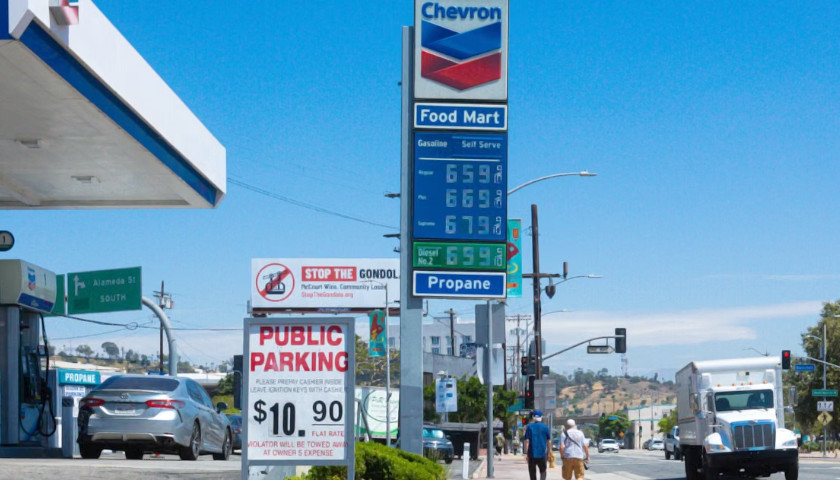
The Consumer Price Index (CPI) increased 0.6% in September and 3.7% over the preceding 12 months, according to the Bureau of Labor Statistics (BLS) report released Oct. 14. Gasoline prices surged 9.1% during September, accounting for more than half of the overall monthly increase.
Meanwhile, the Producer Price Index (PPI) jumped 1.3% in September, its largest monthly increase since March 2022, according to data released Oct. 15. Wholesale prices increased 6.3% from a year earlier, marking the largest annual increase since December 2022.
Inflation and the broader economy have emerged as leading issues ahead of the Nov. 3 midterm elections. An AP-NORC poll released Oct. 15 found that 85% of voters considered the economy one of the most important issues influencing their vote, while 84% said the same about the cost of living.
President Donald Trump previously accused the Federal Reserve of keeping interest rates artificially low to benefit Democrats. During the 2016 presidential campaign, Trump accused then-Fed Chair Janet Yellen of maintaining low rates under political pressure from the Obama administration. Trump later pressured former Fed Chairman Jerome Powell to lower borrowing costs, telling him during a May 2025 meeting that the central bank was making a mistake by refusing to cut rates, according to the White House.
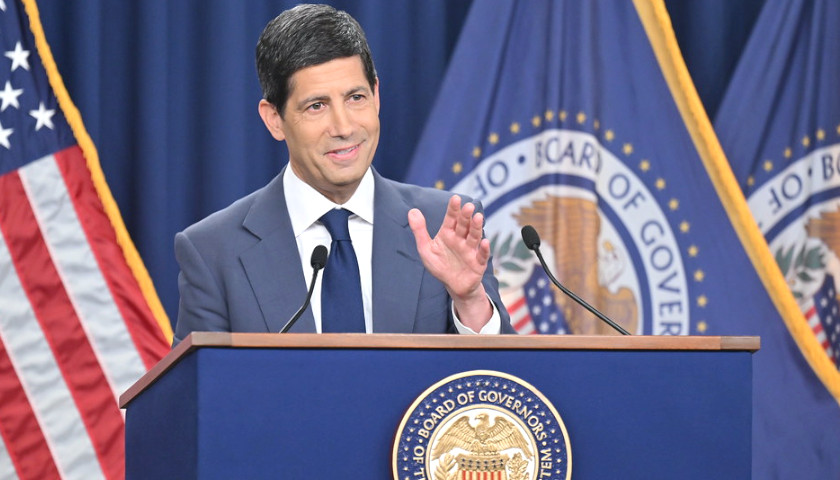
The Fed’s struggle with inflation follows a 2020 policy shift that allowed inflation to run moderately above its 2% target to compensate for years of below-target inflation. Consumer inflation subsequently reached 9.1% in June 2022, and Fed Chairman Kevin Warsh told Congress in April that the central bank’s 2020 decision laid the foundation for the inflation surge Americans experienced in subsequent years.
The consequences of inflation extend beyond rising consumer prices. Unexpected inflation can reduce the real value of existing federal debt, according to research published by the Federal Reserve Bank of St. Louis, while simultaneously eroding the purchasing power of Americans’ wages and savings. Wednesday’s decision left borrowing costs unchanged despite inflation remaining above the central bank’s 2% target.
The labor market, however, offered a more mixed picture.
The U.S. economy added just 29,000 jobs in September, while the unemployment rate stood at 4.2%, according to the BLS employment report released Oct. 2. July and August payroll figures were revised downward by a combined 60,000 jobs, underscoring the slowdown in hiring.
Despite weak job creation, initial unemployment claims declined to 194,000 for the week ending Oct. 17, suggesting employers remained hesitant to shed workers even as hiring slowed.
The Fed’s decision to leave borrowing costs unchanged aligned with expectations among economists who anticipated policymakers would wait until December before tightening monetary policy again.
A Reuters poll conducted Oct. 16-20 found that 94 of 100 economists expected the Fed to leave rates unchanged in October, while all 100 anticipated an increase at the central bank’s December meeting.
Higher interest rates can make credit cards, auto loans and other forms of borrowing more expensive, while persistent inflation reduces the purchasing power of household incomes.
– – –
Jack McGeever is a reporter at Daily Caller News Foundation.