by Nicholas Ballasy
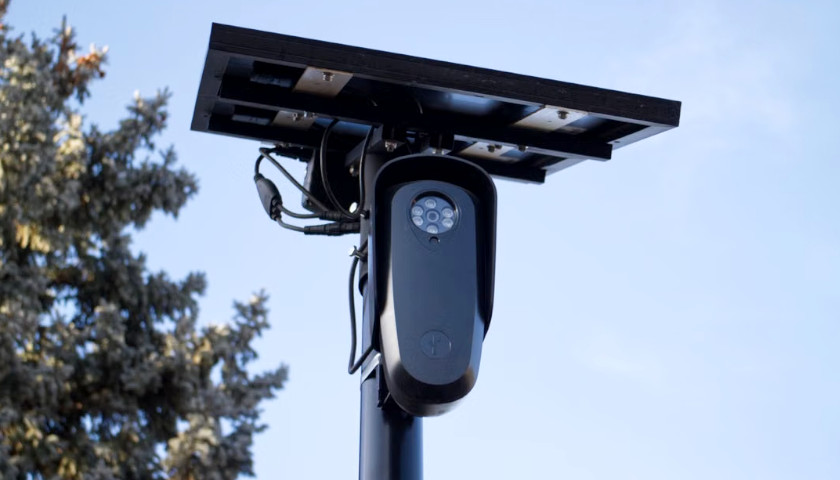
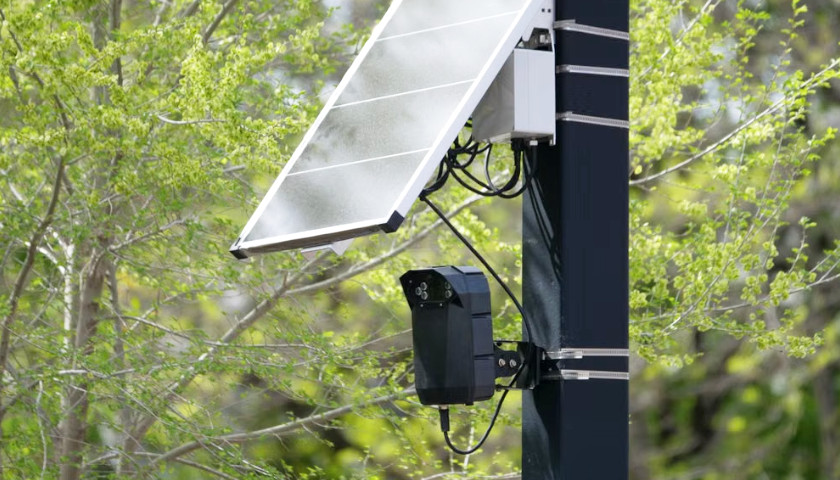
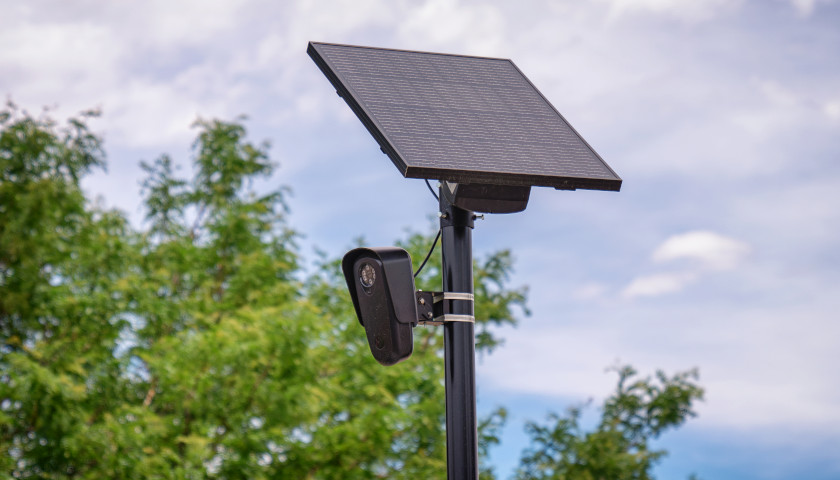
A federal judge in Oklahoma has ruled that a law enforcement officer violated a woman’s Fourth Amendment rights by searching her vehicle’s history through Flock Safety’s license-plate reader network without obtaining a warrant first.
The decision, which was issued by U.S. District Judge Sara Hill, marks one of the most significant legal challenges to Flock’s expanding surveillance system.
The ruling does not establish a nationwide legal precedent, but it could give momentum to growing concerns over how police departments use automated license-plate databases to track people’s movements.
The case began when a Tulsa County sheriff’s deputy searched Flock’s database for a California-registered vehicle.
According to the court, the deputy had no clear investigative justification for running the plate other than the fact that the vehicle was from California.
At the federal level, congressional members are taking steps to regulate the use of Flock cameras and other ALPRs.
Independent Vermont Sen. Bernie Sanders and Democratic New York Rep. Alexandria Ocasio-Cortez introduced the Ban Flock Act, which prevents the federal government from using ALPRs.
“Across the country, Big Tech companies like Flock Safety have built a mass surveillance system to harvest Americans’ private and personal data without their consent. AI-powered cameras are keeping track of our every move and weaponizing this data against working people to make record profits. The widespread integration of this technology into American society is unconscionable,” Ocasio-Cortez said.
The Ban Flock Act could cause local governments that use ALPRs to lose federal funding from certain agencies.
In the House, Republican Tennessee Rep. Tim Burchett and Kentucky Rep. Thomas Massie have also introduced different bills seeking to prevent fedearl funds being used on ALPRs.
– – –
Nicholas Ballasy is a reporter for Just the News. Zachery Schmidt is the digital editor of The Star News Network and contributed to this story.
Photo “Flock Camera” by Tony Webster. CC BY 2.0.