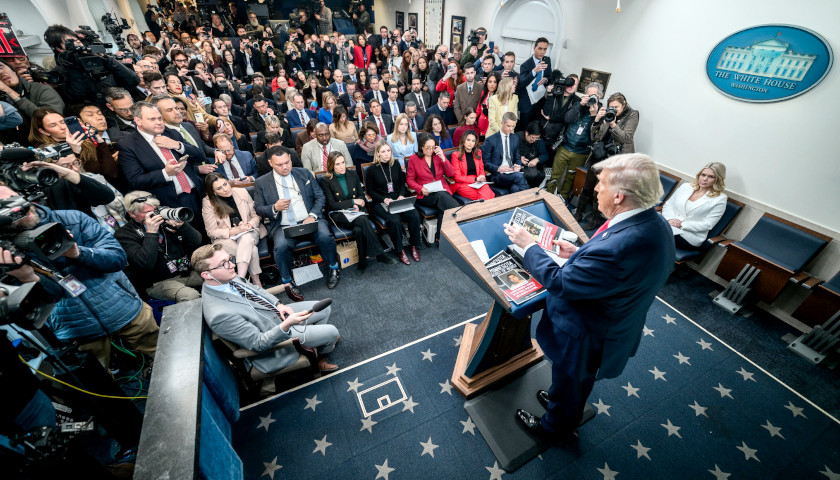
President Donald Trump on Thursday signed two executive orders aimed at limiting recognition of birthright citizenship in specific categories of children born to non-citizen parents and directing federal agencies to halt the practice of “birth tourism.”
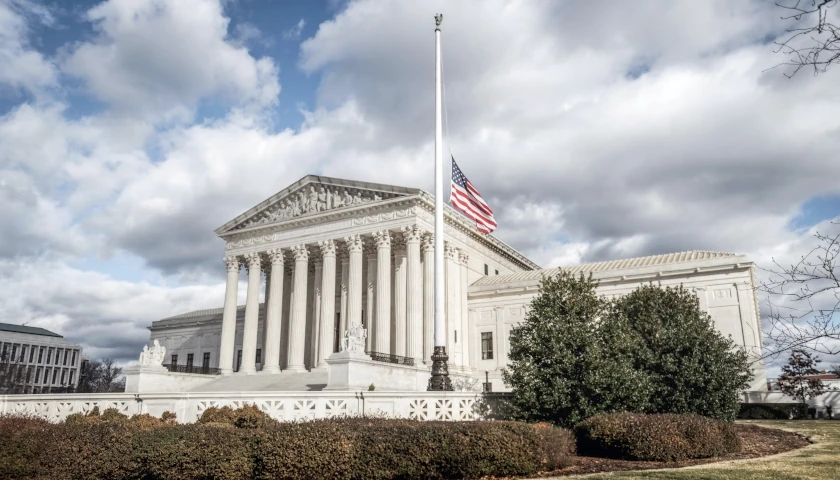
The orders come roughly five weeks after the Supreme Court’s June 30 ruling in Trump v. Barbara, which held that the Citizenship Clause of the 14th Amendment extends citizenship to children born in the United States to parents “for whom no extraterritorial fiction applies,” rejecting a broader 2025 executive order that sought to deny citizenship based on parents’ temporary or unlawful status.
One order, described by the White House as non-exhaustively identifying certain categories of children of aliens who fall outside the rule of birthright citizenship recognized by the Court, directs that no executive department or agency shall issue or accept documents recognizing U.S. citizenship for persons when neither parent is a citizen and any of the following applies:
– Either parent is an “alien enemy,” defined to include members of designated Foreign Terrorist Organizations or Specially Designated Global Terrorists.
– Either parent is a foreign government employee, including ambassadors, certain embassy or consulate staff who are nationals of that country, persons employed by a foreign government in an official capacity, or persons employed by an international organization with immunity.
– Either parent engaged in a commercial transaction to purchase or access birthright citizenship, or engaged in fraudulent activity to obtain it, including commercial arrangements ensuring a mother or surrogate is present in the United States or its territories specifically to give birth.
– The person is born in a U.S. territory or territorial waters where citizenship is not conferred by federal statute.
The order requires the Secretaries of State, Homeland Security, and the Attorney General, along with the Social Security Commissioner, to ensure agency regulations and policies align with it. Agency heads must issue public guidance on implementation within 30 days.
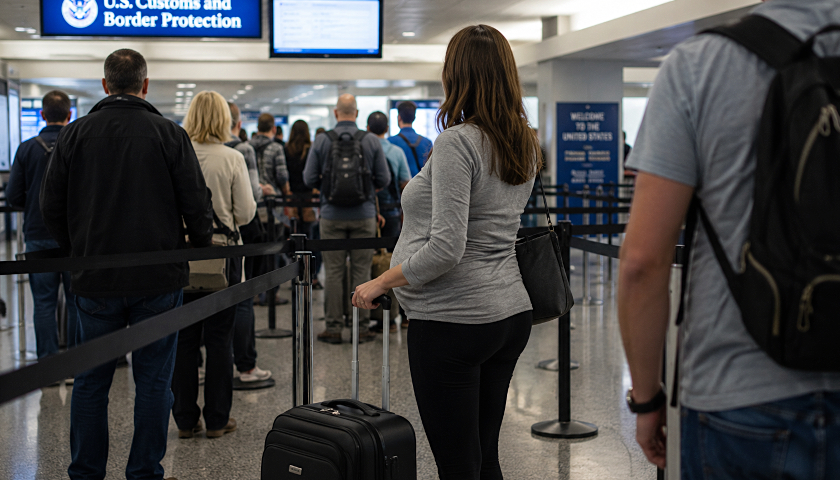
The second order, titled “Ending Birth Tourism,” defines the practice as the entry of any foreign national into the United States via a nonimmigrant visa for the purpose of giving birth on American soil, or any effort to facilitate such entry. It states that citizenship “is not a commodity to be acquired through calculated exploitation and evasion of the immigration laws.”
That order delegates authority under Section 215(a) of the Immigration and Nationality Act to the Secretaries of State and Homeland Security. They may take actions including preventing entry or visa issuance for those intending birth tourism; revoking visas and permanently barring entry; denying entry or removing individuals who previously engaged in or plan the practice; and acting against facilitators inside or outside the United States.
But humanitarian or national-interest exemptions are permitted.
White House officials, including Deputy Chief of Staff Stephen Miller and Staff Secretary Will Scharf, described the measures as targeting organized commercial schemes and historically recognized exceptions rather than broadly overriding the Supreme Court ruling.
Trump called the June decision “very, very unfortunate” and said the administration was making “adjustments.” Officials argued the orders rely on established authorities and do not conflict with the Court’s opinion.
Estimates of the scale of birth tourism vary. Government data cited in reporting showed about 9,600 births to mothers with foreign addresses in a recent year, while other analyses, including from the Center for Immigration Studies, have placed annual figures in the range of 20,000 to 26,000. The State Department had already intensified enforcement against related networks earlier in 2026, identifying hundreds of suspected cases and revoking visas.
A 2020 regulation from Trump’s first term already restricted use of temporary tourist and business visas for the primary purpose of obtaining citizenship for a newborn. Officials said the new order expands tools for broader enforcement against operators and participants.
Although legal challenges are expected, both take effect immediately through agency implementation of the directed rules and guidance.
– – –
Christina Botteri is the Executive Editor of The Tennessee Star and The Star News Network. Follow her on X at @christinakb.