A top ally of FBI Director Kash Patel, who served as the “Sherpa” for the nation’s top law enforcement officer during the transition to the Trump administration and his confirmation process in the U.S. Senate, told The Tennessee Star on Monday that there was “no possible way” for the claims published about Patel on Friday in The Atlantic to be accurate.
After The Atlantic published an article last Friday, relying entirely on anonymous sources who claimed Patel had a serious drinking problem that causes him to lash out and become unreachable to subordinates, former Senate staffer Clint Brown called the report “BS” in a post to social media, and questioned why the outlet did not contact him to corroborate its anonymous sources.
Speaking to The Star on Monday, Brown confirmed that no one from the outlet reached out to him before the story was published or after Patel publicly denied the outlet’s claims and filed a $250 million lawsuit.
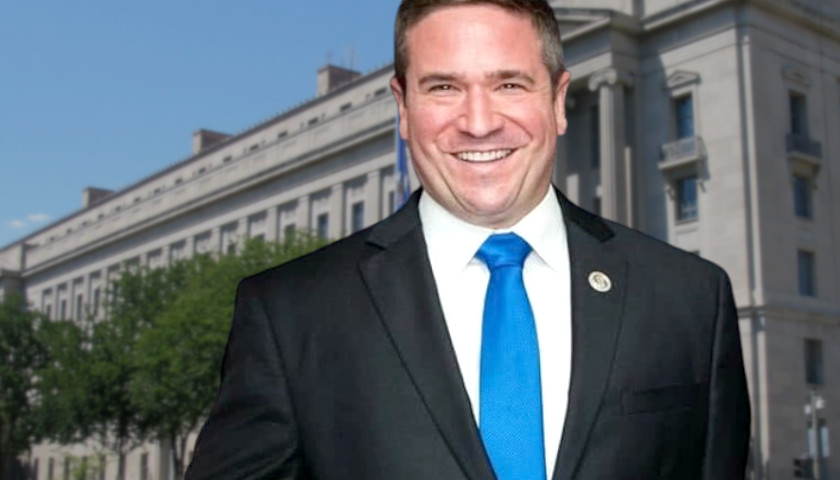
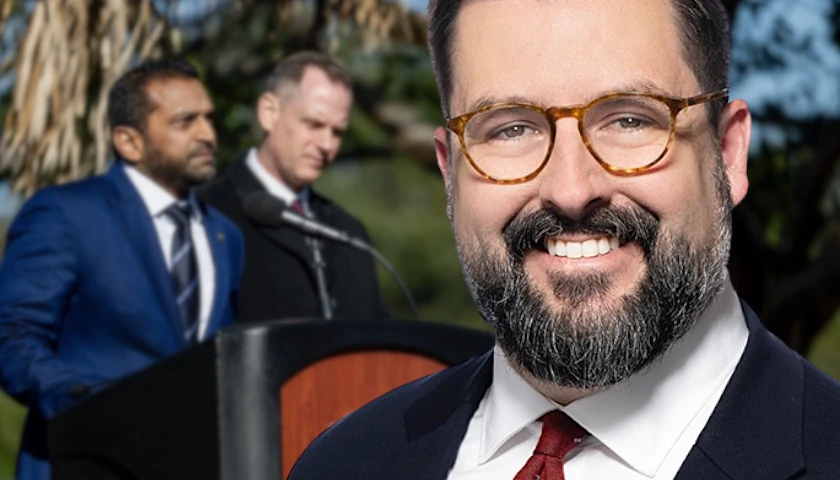
Brown (pictured above) called it “bizarre” that he was not contacted, noting that The Atlantic could have used him to determine whether the allegations of alcohol abuse were known to stakeholders prior to Patel’s confirmation.
However, the former Capitol Hill worker told The Star he saw no evidence of excessive drinking during his time working closely with Patel.
“I never saw anything like that. You know, it was breakfast, lunch and dinner together every day,” said Brown. “If there were anything like that, I would’ve seen it.”
He stated, “I knew when the guy went to bed. I knew when he got up in the morning because we were working all through the night. There’s just no possible way.”
Hey @S_Fitzpatrick I was Kash Patel’s Sherpa on the transition. I spent nearly all day everyday with him for 3+ months and have been with him frequently since.
I have never seen the type of behavior that you’re describing from him.
Your anon sourced story is BS.
Oh and by the… https://t.co/hwWnUrYrKT pic.twitter.com/T0EUhyKbq0
— Clint Brown (@DissidentClint) April 18, 2026
Brown explained that he helped Patel prepare for his meetings with 60 senators, including briefing him on specific crime matters affecting their states, as Patel sought their votes for confirmation.
Patel was narrowly confirmed in a 51-47 vote in February 2025, with U.S. Senators Susan Collins (R-ME) and Lisa Murkowski (R-AK) breaking from the Republican Party to side with Democrats.
Ahead of the confirmation, Brown told The Star, “Most days I’d see Kash more than my family. We were together from 7:30 a.m. until eight or ten at night, and then I would go home, log on, and begin working on materials for the next day, send those to him in the middle of the night, and then he’d be responding back and forth on those materials, and then do it all again the next day.”
Brown also raised his status as a private citizen who works for neither the Trump administration nor the FBI, and questioned why The Atlantic did not contact him to obtain information about Patel’s behavior during this period from a source outside the government.
He told The Star, “I don’t work for the FBI, so I’m kind of an independent source here. I don’t work for the administration at all. You’d think you’d want some sort of independent source to go on the record to verify the claims or provide an alternate view.”
The Patel ally also speculated that the anonymous sources cited by The Atlantic could be opposed to the agency’s rapid progress under his leadership.
“I think that under previous directors, there were senior level bureaucrats who had a lot of sway in the organization and really ran the organization,” Brown told The Star, “it probably makes a lot of them angry to see somebody who is not a career FBI agent come in and have such great success.”
Patel’s attorneys cited a number of recent victories for the FBI under Patel’s leadership in the lawsuit filed on Monday against The Atlantic and its reporter, Sarah Fitzpatrick.
According to the lawsuit, the current director has presided over the capture of eight out of the FBI’s 10 Most Wanted fugitives, a 112 percent increase in violent crime arrests that coincided with a 20 percent decrease in the national homicide rate, a 210 percent increase in the disruption of gangs, the location of more than 6,300 child victims and the arrest of more than 2,200 child predators, a 31 percent increase in fentanyl seizures, a nearly 20 percent decline in U.S. opioid overdose deaths, and more than 760 counterterrorism arrests, including a 490 percent increase in Nihilist Violent Extremism (NVE) arrests and the successful disruption of 670 individuals from conducting terrorist attacks.
The complaint specifically disputes at least 17 statements or implications, published by The Atlantic, which it states never occurred. These include specific claims about Patel becoming intoxicated at bars, being too intoxicated to perform his duties, and that he was “often away or unreachable,” with a spotty attendance record at the office.
It also alleges that the publication gave Patel and the FBI less than two hours to respond before the publication of its article, but that even despite the short window to comment, an FBI spokesman called the claims, “one of the most absurd claims that I’ve ever read,” and told The Atlantic their reporting was, “Completely false at a nearly 100 [percent] clip.”
The complaint additionally notes that, before The Atlantic published its article, Patel’s attorneys sent a formal letter responding to the claims, and alleges that the publication “did not even respond.”
This is the letter we sent to The Atlantic and Sarah Fitzpatrick BEFORE they published their hit piece on FBI Director @FBIDirectorKash. They were on notice that the claims were categorically false and defamatory. They published anyway.
See you in court. pic.twitter.com/Ke8cqNh8hY
— Jesse R. Binnall (@jbinnall) April 17, 2026
“These statements constitute defamation per se because their defamatory meaning is obvious on their face,” Patel alleges through his attorneys.
“The statements falsely assert that the Director of the FBI—the nation’s chief federal law-enforcement officer—is a habitual drunk, unable to perform the duties of his office, is a threat to public safety, is vulnerable to foreign coercion, has violated DOJ ethics rules, is unreachable in emergencies, has required the deployment of ‘breaching equipment’ to extract him from locked rooms, allows alcohol to influence his public statements about criminal investigations, and behaves erratically in a manner that compromises national security,” according to the lawsuit.
The Atlantic announced in a Monday statement that it stood by its reporting and intended to mount a legal defense for the publication and Fitzpatrick.
– – –
Tom Pappert is a 2025 recipient of the Dao Prize and the lead reporter for The Tennessee Star. He also reports for the Star News Network. Follow Tom on X. Email tips to [email protected].
Photo “Clint Brown” by Legistorm. Background Photo “Kash Patel” by Kash Patel.