by Walter Blanks
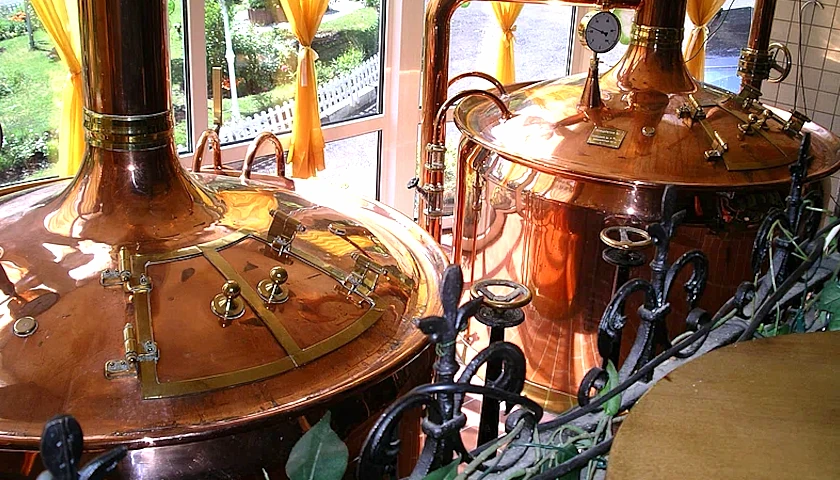
We find ourselves in a new political age — one in which the pendulum is finally swinging away from waste, fraud and abuse and toward government efficiency. As conservatives, it is critical that we seize this generational opportunity and strike while the iron is hot. While Elon Musk’s D.O.G.E. is leading the charge, the effort to rid government of wasteful spending is too vast for one small team, no matter how talented they may be. With that in mind, I want to offer up two large pieces of deadwood for the famous D.O.G.E. chainsaw, both of which amount to corporate welfare for massive, multinational corporations. Both, as it happens, pertain to the liquor industry, and both unfairly distort the market for distilled spirits.
The first is the Rum Cover-Over program. Initially established more than 100 years ago, the RCO Program was intended to help the U.S. territories of Puerto Rico, and later, the U.S. Virgin Islands. The idea was simple — send the bulk of the money collected from excise taxes on rum from these territories back to the local territorial governments in order to promote economic development. This worked for a long time, but in the last 15 years or so, more and more of these funds have been funneled into the coffers of the major rum producers in these territories. Estimates suggest that up to 30% of RCO funds — or $250 million annually — is now being diverted to rum producers in Puerto Rico and USVI.
The second is the 5010 tax loophole. This loophole allows liquor producers to significantly reduce their taxes by adding certain extra ingredients to their products — things like “non-beverage flavoring” and even high-potency wine. The tax benefits these companies enjoy from diluting their products in this way can be massive; distillers can bring their tax bill down from the standard $8.10 per gallon to as little as $5.08 per gallon. At scale, this costs the U.S. government over $300 million every year. Worst of all, because there are no labeling requirements, you won’t know by looking at the packaging whether nearly half of the bottle is filled with these extra ingredients.
We need to address these two wasteful programs, not only because they funnel hundreds of millions of dollars out of the U.S. Treasury and into the hands of large, multinational liquor corporations, but also because they unfairly distort the alcoholic beverage market in the United States. I care about this issue both as an American and especially as a proud resident of Tennessee, our state is famous for its Tennessee whiskey-making heritage. Why should our distillers who craft fine whiskies using traditional recipes be forced to compete on this unlevel playing field, and at the taxpayers’ expense?
I propose the following solutions, both of which will require our elected leaders in Congress to take action. First, we should reform the RCO Program so that it functions as originally intended. That means capping the subsides sent to rum producers at 5% of rum tax revenue received by each territory; creating a framework for greater transparency around RCO money; and eventually, within five years, ending rum producer subsides altogether. This will ensure RCO funds go towards supporting public services in these American territories and force the big rum companies to compete fairly, instead of rent seeking. By doing this, and repealing the 5010 loophole, we can cut waste while supporting fair markets. Senator Marsha Blackburn, Senator Hagerty and our larger Tennessee congressional delegation should work to help reform this by cutting out waste and abuse.
– – –
Walter Blanks Jr. serves as executive director of Black Americans United for Tennessee.