
by Natalia Mittelstadt
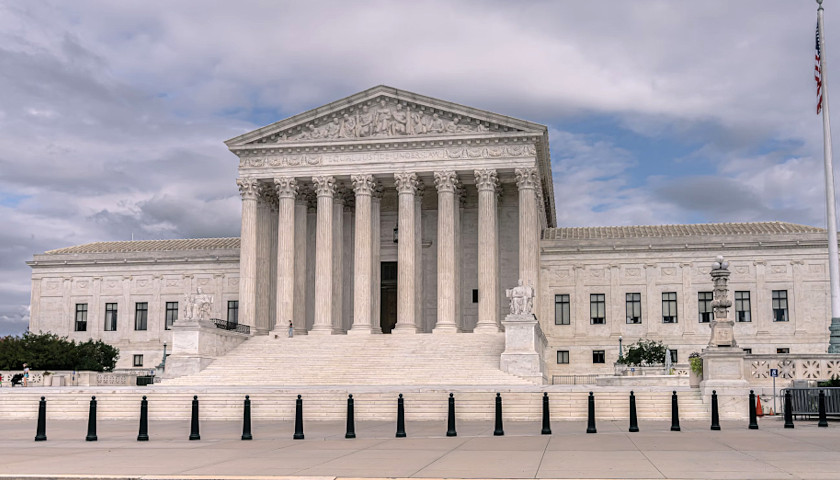
The U.S. Supreme Court on Thursday, in a unanimous decision, limited the judicial authority of courts to block infrastructure projects over environmental concerns.
The case, Seven County Infrastructure Coalition v. Eagle County, relates to the National Environmental Policy Act (NEPA) and the requirement that infrastructure projects supported by the federal government have environmental impact statements, Fox News reported.
“NEPA does not allow courts, ‘under the guise of judicial review’ of agency compliance with NEPA, to delay or block agency projects based on the environmental effects of other projects separate from the project at hand,” Justice Brett Kavanaugh wrote in the 36-page opinion that Chief Justice John Roberts and Justices Clarence Thomas, Samuel Alito and Amy Coney Barrett joined.
“Courts should afford substantial deference and should not micromanage those agency choices so long as they fall within a broad zone of reasonableness,” the opinion continued.
“The upshot,” Justice Kavanaugh wrote, “Is NEPA has transformed from a modest procedural requirement into a blunt and haphazard tool employed by project opponents (who may not always be entirely motivated by concern for the environment) to try to stop or at least slow down new infrastructure and construction projects.”
“A 1970 legislative acorn has grown over the years into a judicial oak that has hindered infrastructure development ‘under the guise’ of just a little more process. A course correction of sorts is appropriate to bring judicial review under NEPA back in line with the statutory text and common sense,” he wrote.
Justice Neil Gorsuch did not participate in the case. Justice Sonia Sotomayor filed a separate concurring opinion, which Justices Elena Kagan and Ketanji Brown Jackson joined.
– – –
Natalia Mittelstadt is a reporter at Just the News.
Photo “U.S. Supreme Court” by Adam Szuscik.

Does this mean that we can drill for oil in Williamson County now without impediment?