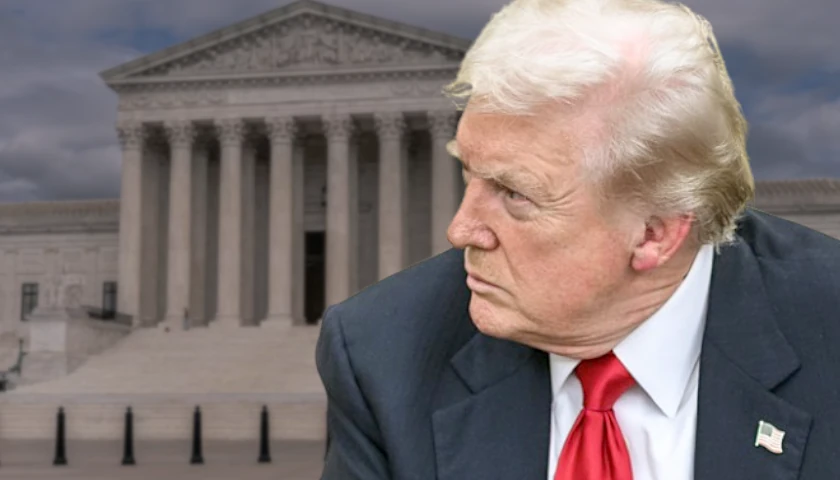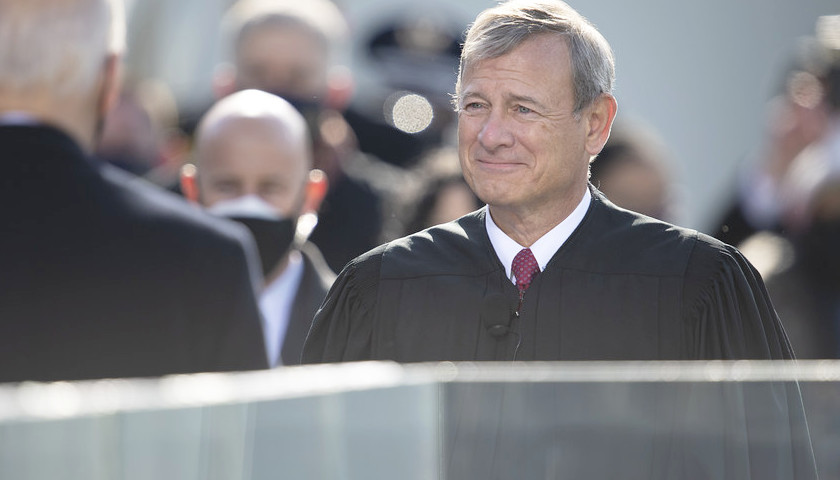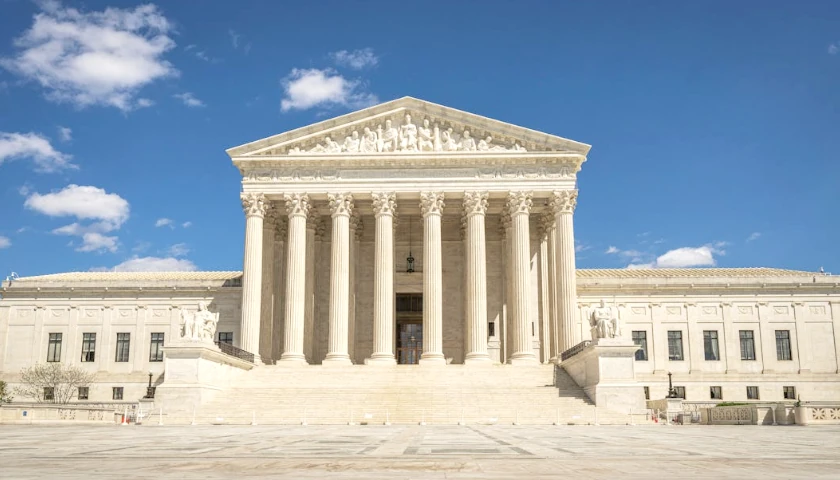
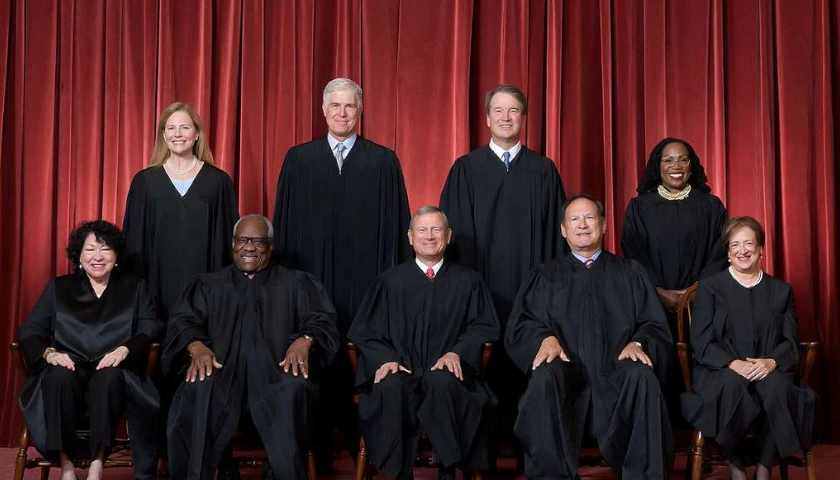
The U.S. Supreme Court on Thursday granted Texas’s emergency request to stay a lower court’s ruling that had invalidated the state’s newly drawn congressional maps, ensuring the Republican-favoring redistricting plan remains in effect for the 2026 midterm elections.
In a 6-3 unsigned decision, the court lifted the injunction issued by a three-judge panel in the Western District of Texas, which on November 18 found the maps to be unconstitutional racial gerrymanders.
“Texas is likely to succeed on the merits of its claim that the District Court committed at least two serious errors,” the majority wrote, faulting the lower court for “construing ambiguous direct and circumstantial evidence against the legislature” in violation of the presumption of good faith, and for failing to draw an “adverse inference” against challengers who did not produce a viable alternative map achieving the state’s partisan goals.
The justices added that the district court had “improperly inserted itself into an active primary campaign, causing much confusion and upsetting the delicate federal-state balance in elections.”
Issued just weeks before the start of 2026 primary filing deadlines, the decision preserves a map that experts say could deliver Republicans up to five additional seats in Texas’s 38-member congressional delegation, bolstering the GOP’s slim House majority.
The case stems from a mid-decade redistricting push enacted in late August 2025, after a July 7 letter from the U.S. Department of Justice raised concerns about four “coalition districts” — where multiple minority groups formed voting majorities — potentially violating the Voting Rights Act and the Fourteenth Amendment. Texas Republicans, urged by the Trump administration, responded by convening a special session and passing a new map that converted those districts into slim majority-minority ones while creating five more GOP-leaning seats.
Civil rights groups, including the League of United Latin American Citizens (LULAC), sued, arguing the changes used race as a predominant factor to mask partisan aims, breaching the Fourteenth and Fifteenth Amendments. After a nine-day bench trial with 23 witnesses and thousands of exhibits, the district court agreed in a 160-page opinion, enjoining the maps’ use for 2026.
Texas Attorney General Ken Paxton and Gov. Greg Abbott immediately appealed to the Supreme Court, warning of “irreparable harm” to the state’s election process. The high court, applying standards from Nken v. Holder (556 U.S. 418, 2009), found the stay warranted to avoid disrupting ongoing campaigns on the “eve of an election.”
Justices Clarence Thomas and Neil Gorsuch joined Justice Samuel Alito’s concurring opinion, noting that, “Although respondents’ experts could have easily produced such a map if that were possible, they did not, giving rise to a strong inference that the State’s map was indeed based on partisanship, not race.”
Alito added that “neither the duration of the District Court’s hearing nor the length of its majority opinion provides an excuse for failing to apply the correct legal standards.”
Justices Ketanji Brown Jackson and Sonya Sotomayor joined Justice Elena Kagan’s dissent, accusing the majority of overriding the district court’s “extensive factfinding” without deference. “We are a higher court than the District Court, but we are not a better one when it comes to making such a fact-based decision,” Kagan wrote, emphasizing the lower court’s credibility assessments and evidence of racial line-drawing, including slim majorities unlikely without racial data.
“Without so much as a word about that standard, this Court today announces that Texas may run next year’s elections with a map the District Court found to have violated all our oft-repeated strictures about the use of race in districting,” Kagan wrote.
– – –
Christina Botteri is the Executive Editor of The Tennessee Star and The Star News Network. Follow her on X at @christinakb.