
by Alison Bailey
As a cardiologist who focuses on prevention and heart failure, I’ve witnessed how hard Tennesseans fight for their health. Some drive hours from rural communities just to sit in my exam room. Others juggle multiple medications, side effects and daily uncertainty. All in the hope of staying one step ahead of a chronic illness.
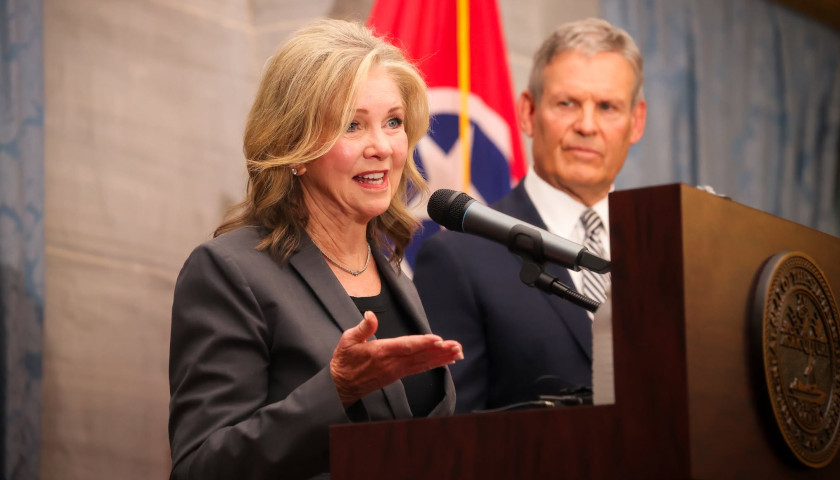
I am grateful to see leaders in Washington paying attention. United States Senator Marsha Blackburn has been a strong advocate for health advancements, and her support for genetically targeted technologies gives patients across Tennessee reason to believe in real progress.
This is why I am so hopeful about the future of genetically targeted technologies. GTTs are part of a new generation of medicine. They use insights from our own body to fight disease at its source. For patients who have been told for years that managing symptoms is the best they can hope for, GTTs represent something new which is the possibility of real change.
That kind of breakthrough matters across the board. GTTs have the potential to help people living with serious conditions encompassing cardiovascular disease, neurological disease and rare diseases that have had little to no treatment options. In a state like Tennessee, where cardiovascular disease and Alzheimer’s take a heavy toll, especially in rural communities, the potential impact is enormous.
I think often of many veterans living with dangerously high cholesterol despite years of treatment. GTTs offer new options that could finally bring cholesterol numbers down and reduce long-term risk.
In many cases, these technologies could also reduce the burden on our health system. When patients have access to treatments that work the first time, they are less likely to cycle through ineffective medications or end up in the hospital. That means fewer emergency room visits, fewer lost workdays and fewer families watching a loved one struggle without answers. Using the potential of GTTs is a smarter way to deliver care.
But science alone isn’t enough. These treatments can’t help anyone if policy doesn’t encourage their development. That is why federal action is so important. Developing these treatments takes time, money and a support system that understands how different they are from existing treatments. Without clear signals from Washington that this kind of innovation matters, it’s easy for investment to shift elsewhere. When that happens, the patients who stand to benefit the most are left waiting.
Thankfully, we have champions in Congress who are paying attention. Senator Marsha Blackburn’s continued support for the MINI Act shows her commitment to patients who often feel invisible. This legislation would help ensure that research into GTTs remains strong, and that Tennessee’s families, especially those in rural and underserved areas, are not left behind.
What excites me most about this moment in medicine is how personal it feels. We are moving toward a world where treatment is designed not just for the condition, but for the individual. That is a huge shift. And it is one that could truly level the playing field for patients who have long been underserved.
As someone who walks alongside these patients every day, I urge lawmakers to stay focused on what is possible. GTTs are more than just scientific progress. And with the right action now, we can bring that lifeline home to Tennessee.
– – –
Alison Bailey, MD, is a practicing cardiologist from Chattanooga, TN.