
by Tommy Vallejos
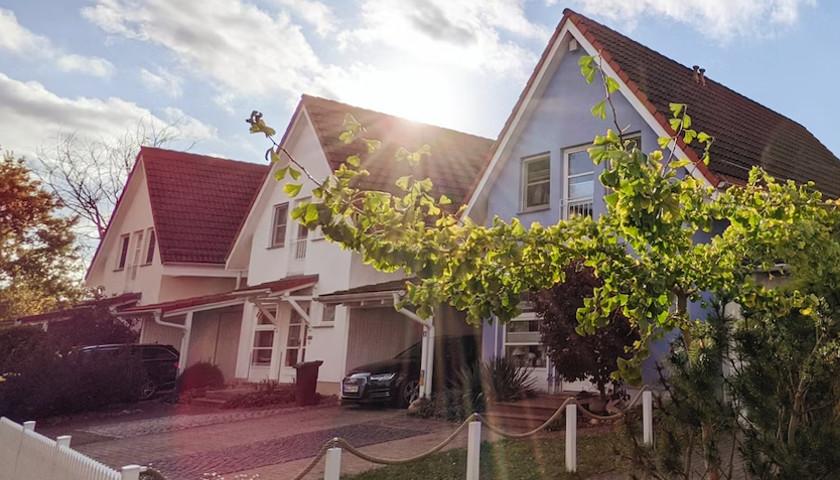
Amid a national housing affordability crisis, a quiet shift in property tax policy in Tennessee could soon make renting more expensive for thousands of families. This will not only have adverse effects for the renters but will degrade a steppingstone for homeownership often used to great effect by Tennesseans, particularly in our Latino communities.
In several counties, tax assessors have begun using a narrow court ruling to reclassify single family rental homes as commercial property, even though the homes are still being used as single family residences. These interpretations stretch far beyond the original scope of the ruling and could dramatically increase property tax assessments on thousands of homes.
Because Tennessee’s commercial assessment rate is significantly higher than the residential rate, the financial impact would be immediate and severe. This reclassification scheme would be a direct and purposeful attack to housing affordability in our communities, ignore decades of settled property tax law, and increase property taxes by roughly 60 percent—about $1,200 more per year on the average home.
And someone will ultimately shoulder the burden of those costs. As is the often the case with newly imposed government costs, they will be passed along to renters in the form of higher monthly housing payments, making an already difficult housing market even harder to navigate for many Tennessee families. The impact will be severe, especially for Latino households which frequently utilize single family rental homes as a sensible first step toward homeownership.
For many families in Tennessee, renting a home is not just about having a place to live. It is the starting point for building savings, establishing credit, and preparing to purchase a home. Across the country, nearly 62 percent of Hispanic homeowners rented a home or apartment before buying their first house. That critical pathway is helping drive homeownership growth nationwide. In 2024 alone, Hispanic homeownership reached a record 9.8 million households, adding 238,000 new homeowner families in a single year. Across the last decade, Latino families have amazingly made up roughly 12.8 percent of our state’s homeownership growth
However, despite this progress, significant challenges remain and chief among them is the growing housing affordability crisis. In a state like Tennessee where about 25 percent of Hispanic households spend more than 30 percent of their income on housing, significant new costs easily become insurmountable barriers to the American dream of homeownership.
Fortunately, lawmakers are already considering a solution to reign in local government’s looking to raise taxes on single family homes. HB1670 and SB1675 are currently making their way through the legislature and will codify one simple and narrow concept, which is that tax local collectors cannot unilaterally decide to tax homes like a business and threaten the roofs over the heads of Tennessee families.
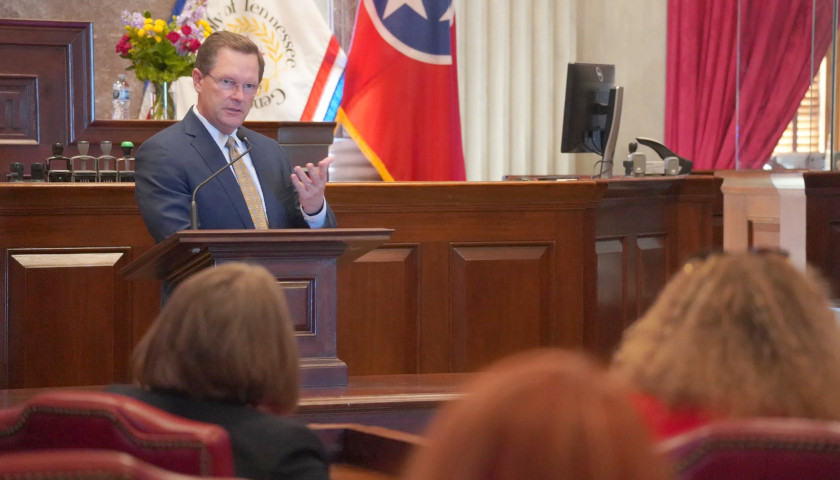
During a recent hearing before the state legislature, opponents attempted to derail the legislation by selling the bill as a “tax cut” and claiming it would represent a “loss of revenue” for localities across the state. This couldn’t be further from the truth.
Tennesseans should be skeptical of that argument. Since when does the Volunteer State buy into arguments that higher taxes on hardworking families is sound policy and that we should in fact rob Peter to pay Paul?
Calling this legislation, which simply clarify a tax code that has been uniformly enforced for over 50 years, a “revenue loss” is simply a misleading way to justify stuffing more money into government coffers via higher taxes on families and renters across Tennessee. The truth of the matter is Tennessee state government should keep local governments in check from reclassifying single family homes as commercial prosperities in order to almost double their tax rate.
Families across Tennessee understand the difference. They know that raising taxes on housing during an affordability crisis is neither sound policy nor morally just.
Lawmakers have a clear choice: they can either allow a quiet reinterpretation of the tax code to raise housing costs across the state – especially by more inefficiently run governments that are just looking to increases taxes and thereby revenue, or they can ratify Tennessee’s long-standing property tax principles and protect the path to homeownership by passing HB1670 and SB1675.
– – –
Tommy Vallejos is the Co-Founder and Executive Director of Latinos for Tennessee.

That’s nothing new. Commercial rental places, including individual homes have always paid a higher rate based on the assessed value of the home, it’s like 40% for commercial businesses and 25% for residences. That’s why when the stupid council and mayor and Nashville raise property taxes so much it hurt the renters more than it did the homeowners. They probably don’t know those basics at all.